

By: “DragonKingKarl” Karl Stern (Patreon)
Professional Wrestling Historian: Author of DragonKingKarl's Pioneer Era Pro Wrestling Omnibus

10 Greatest Forgotten TV Shows of the (Mostly) 1980s
Everybody remembers The A-Team, Knight Rider, Magnum, P.I., Miami Vice, and Cheers. Those shows have become permanent parts of 1980s pop culture.
But television in the 1980s was also filled with wonderfully strange shows that seemed enormous when we were kids — only to largely disappear from the cultural conversation.
And, yes, before somebody emails us: two of the shows on our list are technically from the late 1970s. But they were part of the same Saturday-morning, syndicated-rerun childhood experience for many of us who grew up around that time, so we're invoking the When It Was Cool Rule of Nostalgia and including them anyway.
Some lasted several seasons. Others barely survived long enough for us to learn what night they were on. A few were objectively ridiculous, and we loved them anyway.
Here are ten television shows that deserve to be remembered.
10. Manimal
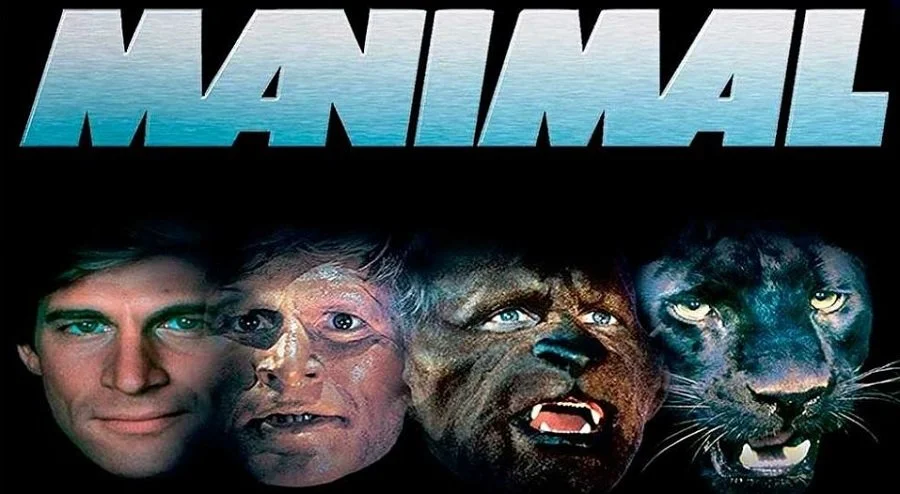
If there was ever a television premise that could only have been greenlit in the 1980s, Manimal might be it.
Simon MacCorkindale played Dr. Jonathan Chase, a man who could transform himself into various animals and naturally used this remarkable ability to fight crime. The NBC series arrived in 1983 and disappeared after only eight episodes.
Today, Manimal is often remembered as a punchline. But that's part of its charm. It represents an era when network television was willing to put something completely bizarre on the air and see what happened.
9. Misfits of Science
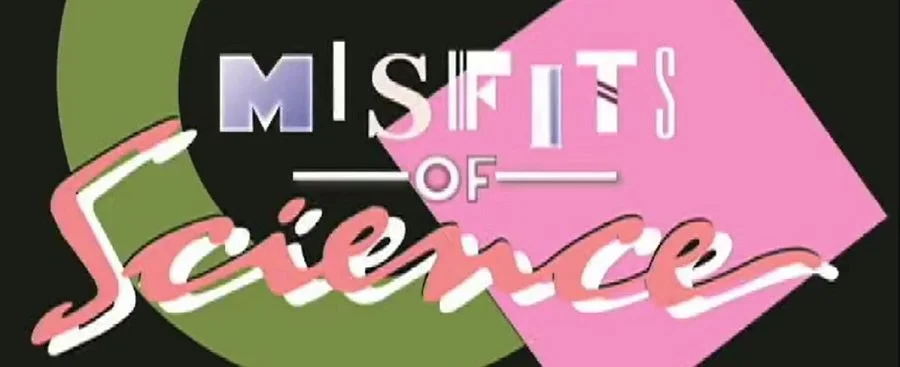
Long before superhero teams dominated movies and television, NBC gave us Misfits of Science in 1985.
The series followed a collection of super-powered oddballs and featured a young Courteney Cox years before Friends. It lasted only one season, but its mixture of science fiction, comedy, superheroes, and distinctly 1980s style makes it a fascinating time capsule.
8. Automan
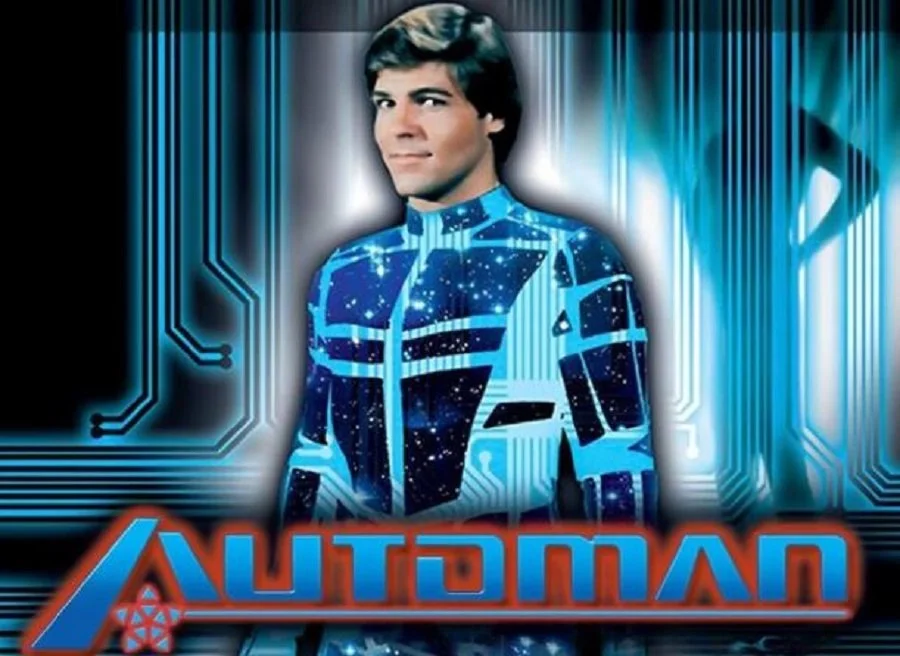
Computer technology seemed almost magical in the early 1980s, and Automan took that idea literally.
Created by prolific television producer Glen A. Larson, the show starred Desi Arnaz Jr. and Chuck Wagner and revolved around a computerized hero who could enter the real world. ABC aired the series during the 1983-84 season, with only 12 of its 13 produced episodes making it to television.
The glowing visual effects and computerized vehicles looked impossibly futuristic at the time. Today, they look impossibly 1980s — which might be even better.
7. The Wizard
One of the more unusual entries on this list is The Wizard, starring David Rappaport as Simon McKay, a brilliant inventor and toy maker whose talents repeatedly drew him into adventures.
The CBS series debuted in 1986 and mixed action, technology, humor, and a surprising amount of heart. It lasted just one season.
This is exactly the sort of show that inspires someone to suddenly ask, 40 years later, "Does anybody else remember this?"
Yes. We do.
6. Voyagers!
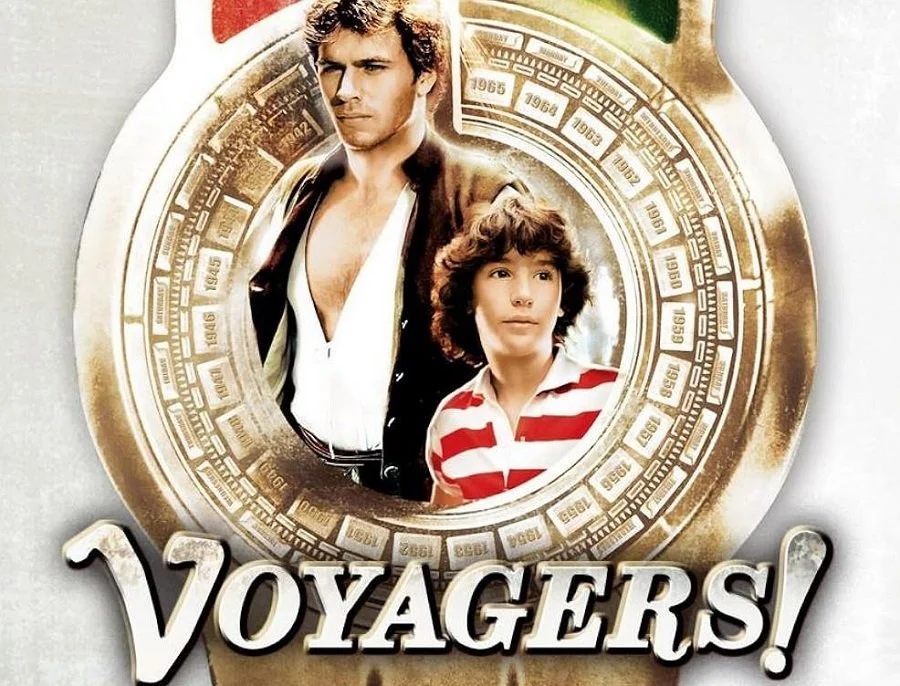
Voyagers! had one of the best concepts imaginable for a kid interested in history.
Jon-Erik Hexum and Meeno Peluce played time travelers who journeyed through history attempting to make sure events happened as they were supposed to. One adventure might involve the Wright brothers and another could send them centuries into the past.
The series debuted on NBC in 1982, and beneath all the adventure was something surprisingly rare: a television show that could actually teach kids a little history without feeling like homework.
5. Tales of the Gold Monkey
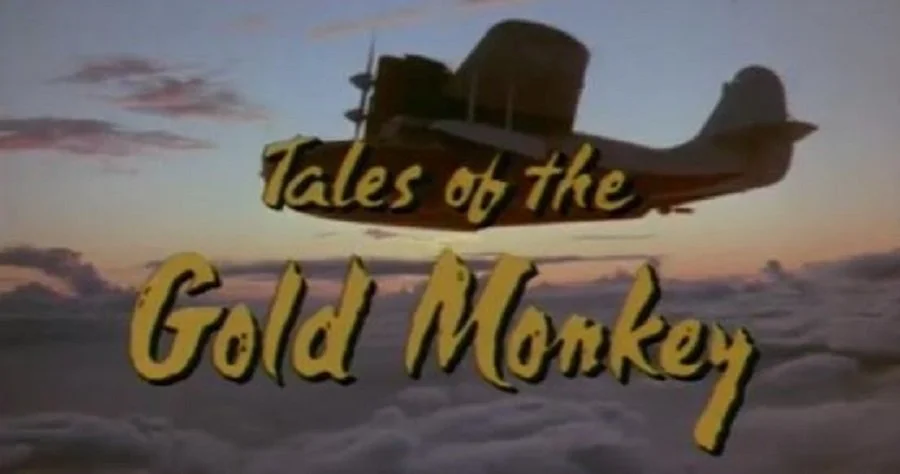
Following the enormous success of Raiders of the Lost Ark, television was ready for old-fashioned adventure again.
Tales of the Gold Monkey delivered it.
Set in the late 1930s, the series followed pilot Jake Cutter and his companions through adventures involving spies, villains, exotic islands, and his Grumman Goose airplane. The ABC series ran during the 1982-83 season.
It had everything a great pulp adventure needed and remains one of the more fondly remembered one-season wonders of its era.
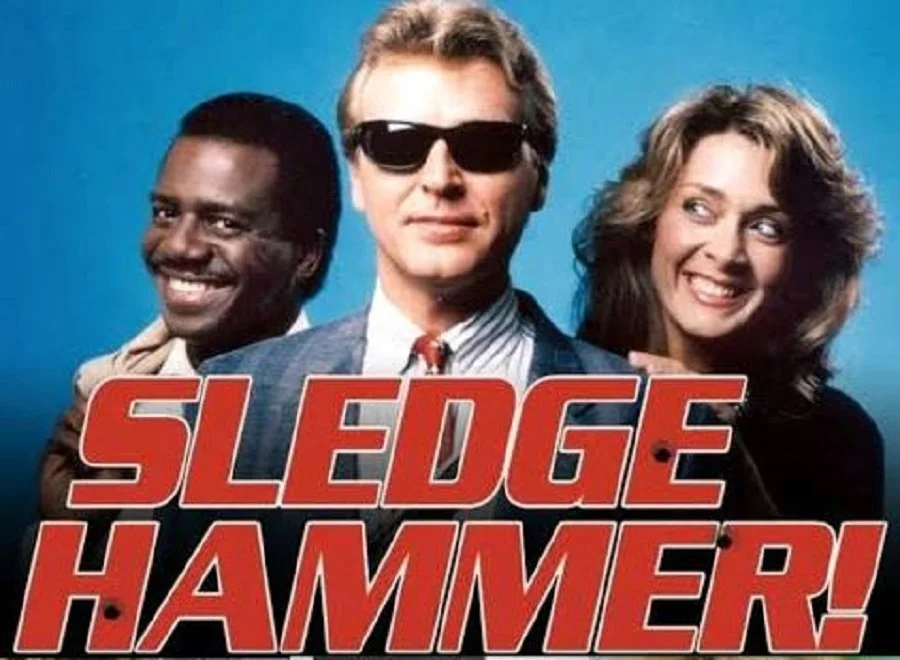
4. Sledge Hammer!
"Sledge Hammer!" was essentially what would happen if a ridiculously over-the-top action movie cop became the star of a television comedy.
David Rasche played Inspector Sledge Hammer, a trigger-happy police detective whose approach to law enforcement generally involved excessive firepower and absolute confidence that whatever he was doing was correct.
Premiering in 1986, the show was a satire of the increasingly outrageous police and action entertainment of the era. It was absurd, politically incorrect, and frequently hilarious.
And yes, Sledge talked to his gun.
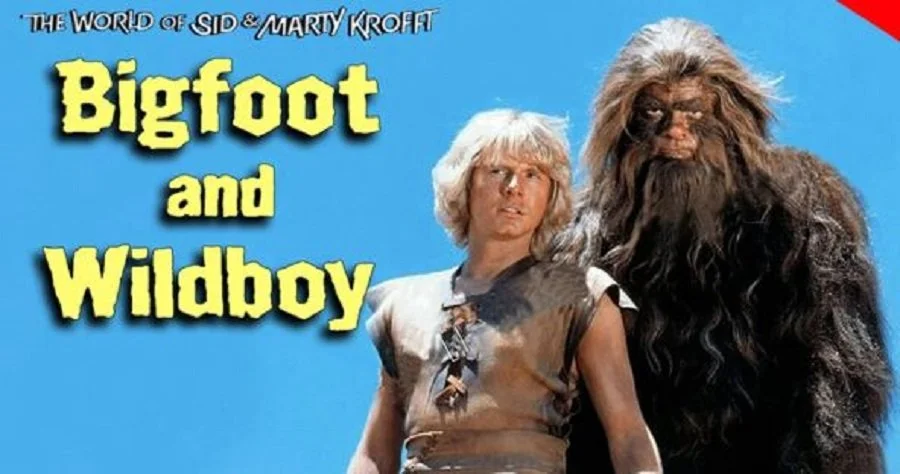
3. Bigfoot and Wildboy
Technically, we're cheating.
Bigfoot and Wildboy actually began in 1977 as part of The Krofft Supershow before becoming its own series in 1979. But its reruns and its place in the childhood memories of the generation that grew up around 1980 make it impossible to leave off a list like this.
The premise was glorious Saturday morning insanity: Bigfoot had rescued a young boy lost in the wilderness and raised him as his son. Together, Bigfoot and Wildboy encountered everything from criminals to aliens and other fantastic threats.
Bigfoot could run at super speed, leap enormous distances, and perform feats of tremendous strength — usually accompanied by wonderfully familiar "bionic" sound effects.
Was it realistic?
Absolutely not.
Did that matter when you were nine years old?
Absolutely not.
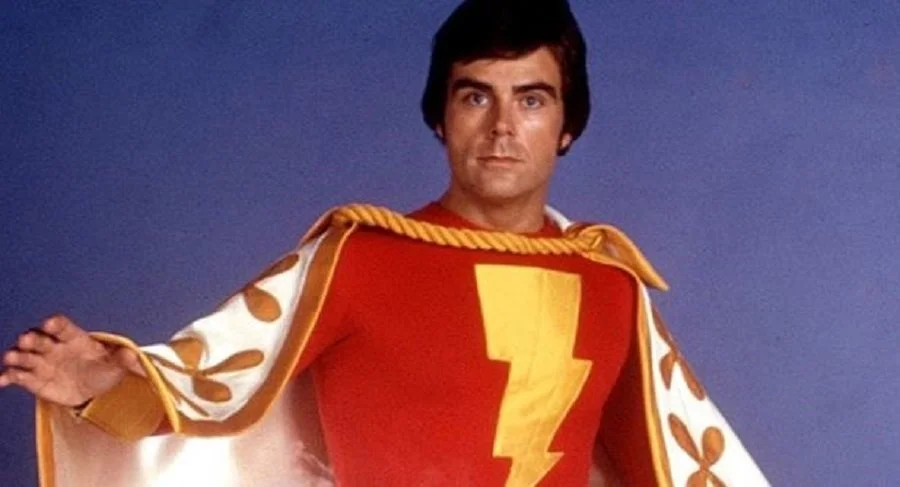
2. Shazam!
Here's our other technical violation of the rules, and we're doing it without apology.
The live-action Shazam! aired Saturday mornings on CBS from 1974 through 1976, produced by Filmation. Michael Gray starred as Billy Batson, with Jackson Bostwick and later John Davey portraying Captain Marvel.
For kids who discovered it during its original run or afterward, Shazam! was unforgettable.
Billy traveled with his mentor and transformed into Captain Marvel by shouting one magical word: "SHAZAM!"
The effects were simple, the stories usually contained a moral lesson, and none of it had the enormous budgets associated with today's superhero productions.
It didn't need them.
For a generation of young fans, seeing a live-action superhero on Saturday morning television was more than enough.
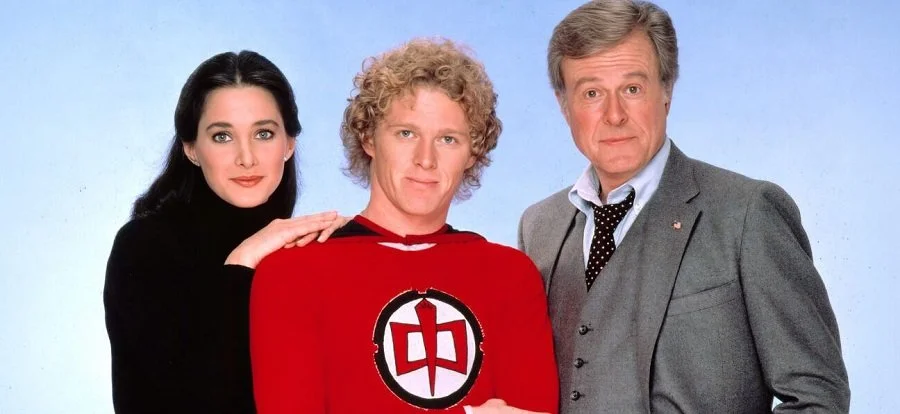
1. The Greatest American Hero
Of all the shows on this list, The Greatest American Hero probably came closest to becoming a permanent pop-culture institution.
Created by Stephen J. Cannell, the ABC series starred William Katt as teacher Ralph Hinkley, who encounters aliens and receives a suit granting him extraordinary powers.
There was just one problem.
He lost the instruction manual.
Robert Culp's wonderfully intense FBI agent Bill Maxwell made the situation even funnier, as Ralph attempted to figure out flying, super strength, and his assortment of other powers largely through trial and error.
The show ran for three seasons from 1981 to 1983. And then there was that theme song — Joey Scarbury's "Believe It or Not" — which became arguably even more famous than the television series itself.
The Greatest American Hero worked because underneath the superhero premise was a very human idea: What if an ordinary person suddenly received extraordinary power but had absolutely no idea what he was doing?
More than four decades later, Ralph Hinkley crashing into walls while trying to fly remains one of the great images of 1980s television.
When Television Was Allowed to Be Weird
Looking back, what makes these shows special isn't that every episode was a masterpiece. They weren't.
What makes them memorable is how much personality television once had.
A network could give us a shape-shifting crime fighter, a computerized superhero, time travelers, a 1930s adventure pilot, Bigfoot raising an orphan, or a schoolteacher flying around in red pajamas because aliens forgot to give him another copy of the instruction manual.
Some succeeded. Some failed spectacularly.
But decades later, we're still talking about them.
And that counts for something.
What forgotten television show from the 1970s or 1980s would you add to the list? Tell us on Patreon!
— When It Was Cool

If you found this article interesting, please consider becoming a Patreon supporter. That is how When It Was Cool keeps our website and podcasts online, plus you get lots of bonus content including extra podcasts, articles, ebooks, and much more. Check out our Patreon Page to see what's up!