By: “DragonKingKarl” Karl Stern (Patreon)
Professional Wrestling Historian: Author of DragonKingKarl's Pioneer Era Pro Wrestling Omnibus

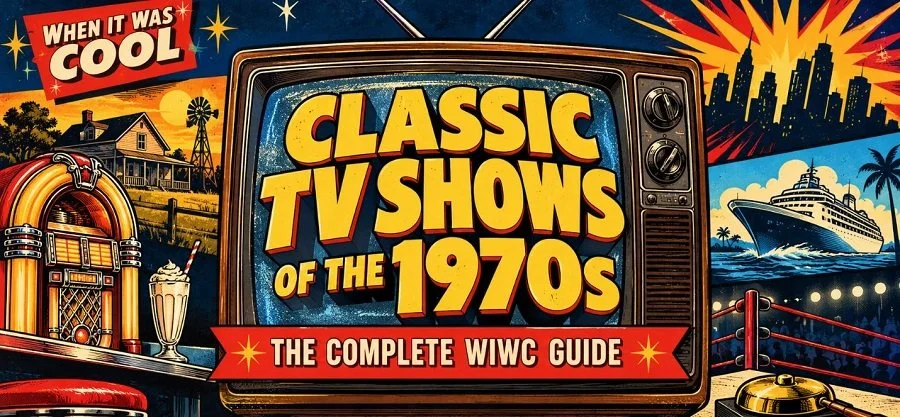
Classic TV Shows of the 1970s: The Complete WIWC Guide
25 unforgettable television favorites from the decade of sitcom legends, superhero adventures, family dramas, and Saturday night wrestling.
By When It Was Cool | November 1, 2026
There was something special about television in the 1970s. Maybe it was the shows themselves or the characters, maybe it was simply the experience of gathering around a television set with the family when your favorite program came on. Whatever the reason, the 1970s gave us some of the most memorable television programs in American history.
This was the decade when Fonzie became the coolest guy on television, Archie Bunker argued with practically everybody, the Jeffersons moved on up, and a certain television doctor named Hawkeye Pierce proved that laughter could survive even in the most difficult circumstances. Families gathered to watch the Ingalls family struggle on the prairie, Col. Steve Austin perform impossible feats with his bionic powers, and a mild-mannered scientist turn into a giant green superhero.
And don't forget, this was a time before streaming services, DVRs, and the ability to watch practically anything whenever you wanted. If your favorite show came on Tuesday night at 8:00, you had better be sitting in front of that television Tuesday night at 8:00. Otherwise, you might have to wait until summer reruns to catch it again.
Here at When It Was Cool, we celebrate the television shows, music, movies, toys, comic books, and pop culture that made growing up in decades past such a memorable experience.
Today, we're taking a nostalgic trip back to the 1970s to revisit 25 excellent classic television shows that helped define an unforgettable decade.
This isn't a ranking. We're not declaring one show better than another (though, Happy Days was pretty great). These are simply 25 wonderful examples of what made 1970s television so entertaining.
So straighten out those rabbit ears, adjust the vertical hold, and settle into your favorite chair. It's time to turn back the television dial.
All in the Family (1971–1979)
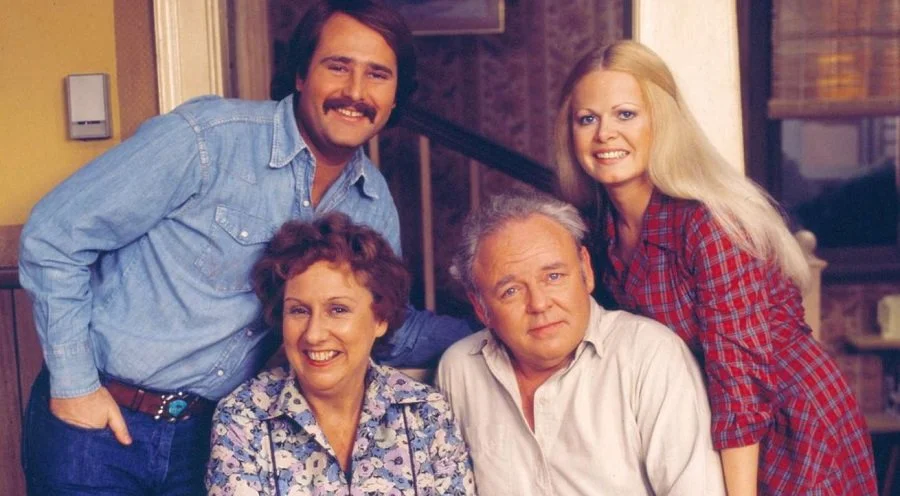
Few television programs had a greater influence on American culture during the 1970s than All in the Family. Starring Carroll O'Connor as the opinionated, stubborn, and frequently hilarious Archie Bunker, the CBS sitcom tackled subjects that many earlier television comedies had carefully avoided. Archie was constantly at odds with his progressive son-in-law Mike, whom he affectionately — or perhaps not so affectionately — called Meathead. Meanwhile, his patient wife Edith, wonderfully portrayed by Jean Stapleton, provided the heart and soul of the household. The remarkable thing about All in the Family was its ability to generate genuine laughter while exploring serious social disagreements. Norman Lear and company created a television landmark that proved sitcoms could be funny, intelligent, challenging, and enormously popular all at the same time. Whether you agreed with Archie or thought he needed to spend a little more time listening to Edith, there was no denying that the Bunker household was must-see television.
Barney Miller (1975–1982)
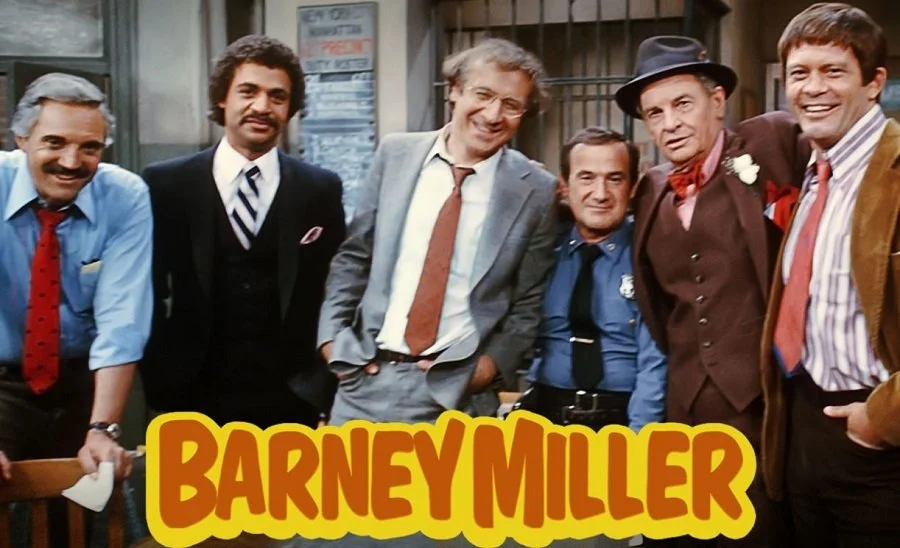
Sometimes the best television comedy doesn't require spectacular situations or outrageous adventures. Sometimes all you need is a police precinct filled with eccentric personalities and a captain desperately trying to maintain his sanity. I was, legitimately a police sergeant for over 25 years and you wouldn’t believe how close to reality this show was. Barney Miller, starring Hal Linden, was a wonderfully written workplace comedy set in New York City's fictional 12th Precinct. The detectives, including Fish, Harris, Dietrich, and Wojo, were a memorable collection of personalities who often seemed more interested in debating life's absurdities than solving crimes. Abe Vigoda's perpetually exhausted Detective Fish became an audience favorite, while the show's clever dialogue and understated humor distinguished it from more conventional sitcoms. Much of the action took place inside the squad room, proving that great writing and talented actors could make an ordinary workplace endlessly entertaining. Barney Miller remains one of the smartest and most charming comedies of its era.
The Bob Newhart Show (1972–1978)
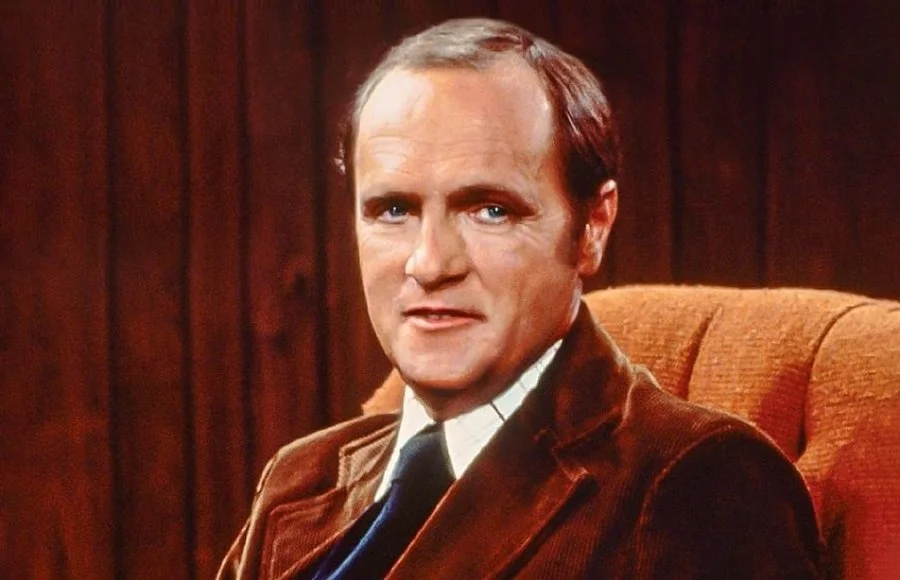
If there was ever a comedian who perfected the art of being the only reasonable person surrounded by unreasonable people, it was Bob Newhart. In The Bob Newhart Show, Newhart portrayed Chicago psychologist Dr. Robert Hartley, a man whose professional and personal lives provided a never-ending supply of wonderfully awkward situations. Suzanne Pleshette was terrific as his wife Emily, while Bill Daily's Howard Borden, Peter Bonerz's Jerry Robinson, and Marcia Wallace's Carol Kester helped create one of television's most likable supporting casts. What made this series special was its relaxed, intelligent approach to comedy. Newhart rarely needed to raise his voice or resort to exaggerated physical humor. Instead, his perfectly timed reactions, subtle expressions, and trademark deadpan delivery could turn an ordinary conversation into a memorable comedy scene. It was sophisticated television humor without ever forgetting to be genuinely funny.
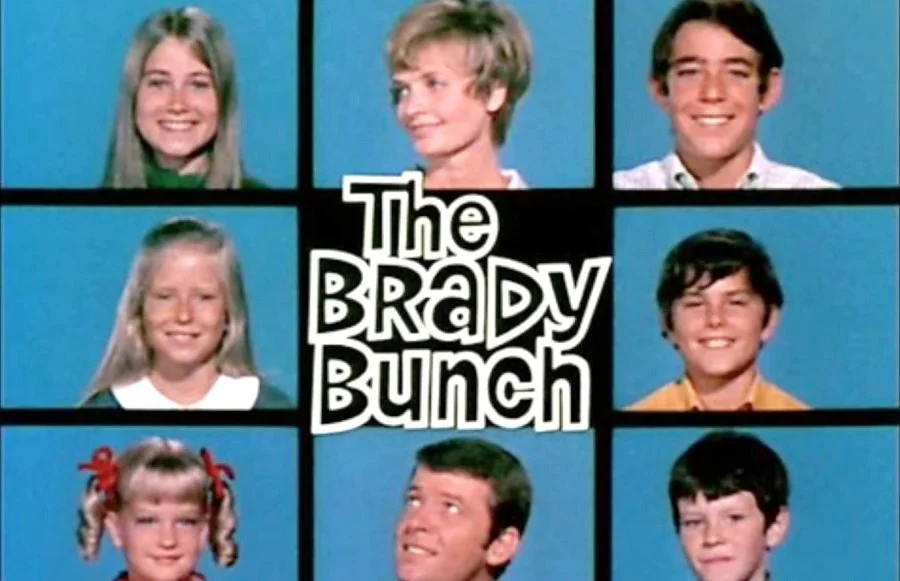
The Brady Bunch (1969–1974)
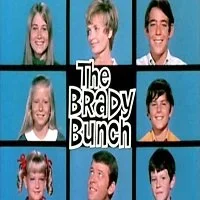
Technically, The Brady Bunch premiered in September 1969, but let's face it, this program belongs to the 1970s in practically every way imaginable. From the fashionable clothing and unforgettable theme song to the adventures of Mike, Carol, Greg, Marcia, Peter, Jan, Bobby, and Cindy, the Brady family became one of the decade's most recognizable television households. Created by Sherwood Schwartz, the sitcom followed a blended family navigating the everyday challenges of childhood, adolescence, sibling rivalry, and family life. Florence Henderson and Robert Reed provided the parental guidance, while Ann B. Davis stole countless scenes as Alice, the wisecracking housekeeper. The stories were often simple, the lessons were usually heartfelt, and the family's problems generally wrapped up neatly in half an hour. Perhaps the greatest compliment we can pay The Brady Bunch is that generations of viewers still enjoy it. And if you remember which Brady child got hit in the nose with a football, you've probably watched more than a few reruns.
Charlie's Angels (1976–1981)
There was nothing quite like Charlie's Angels when it arrived on ABC in 1976. Starring Farrah Fawcett, Kate Jackson, and Jaclyn Smith as private investigators working for the mysterious Charlie Townsend, the series combined detective adventures, action, fashion, and a considerable amount of star power. The Angels were intelligent, resourceful, and capable investigators who frequently relied on undercover assignments to solve their cases. Bosley, played by David Doyle, provided support and occasional comic relief, while Charlie himself remained largely unseen, communicating with the team through a speakerphone. The show's enormous popularity turned its leading actresses into cultural icons, particularly Farrah Fawcett, whose famous hairstyle became almost as recognizable as the series itself. Charlie's Angels was stylish, entertaining, and a perfect example of the glamorous adventure television that flourished during the late 1970s.
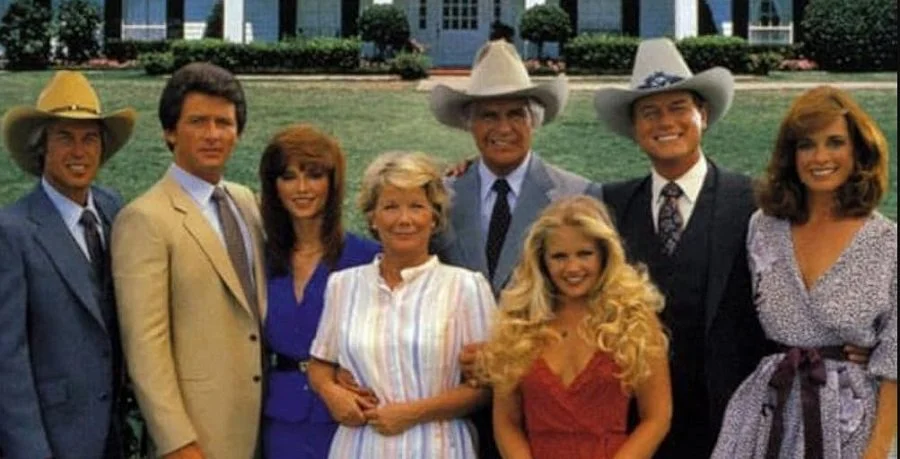
Dallas (1978–1991)
Long before social media gave everyone a place to discuss television cliffhangers, Dallas demonstrated just how completely a prime-time drama could capture the nation's attention. Premiering in 1978, the CBS series introduced viewers to the wealthy, powerful, and frequently feuding Ewing family of Texas. At the center of the drama was Larry Hagman's unforgettable J.R. Ewing, a charming but ruthless oil executive who became one of television's most entertaining villains. Patrick Duffy, Barbara Bel Geddes, Linda Gray, and the rest of the cast helped turn the fictional world of Southfork Ranch into a national obsession. The combination of family rivalries, business schemes, romance, and larger-than-life personalities made Dallas enormously addictive. Although its most famous cliffhanger arrived in 1980, the groundwork for this television phenomenon was firmly established during the late 1970s. It proved that audiences loved a good family drama, particularly when the family had enough money to make its problems spectacular.
Good Times (1974–1979)
Set in a Chicago housing project, Good Times offered audiences something relatively uncommon on 1970s network television: a working-class African American family facing genuine economic struggles while maintaining its love, dignity, and sense of humor. Esther Rolle and John Amos were excellent as Florida and James Evans, devoted parents doing their best to provide for their children. Jimmie Walker became a breakout television star as their energetic son J.J., whose enthusiastic catchphrase helped make him one of the decade's most recognizable sitcom characters. But beneath the laughter, Good Times had an important heart. It explored financial difficulties, employment, education, and the challenges of raising a family while emphasizing perseverance and togetherness. The Evans family didn't have much money, but they had plenty of personality, determination, and love. That combination made Good Times a memorable and meaningful part of 1970s television history.
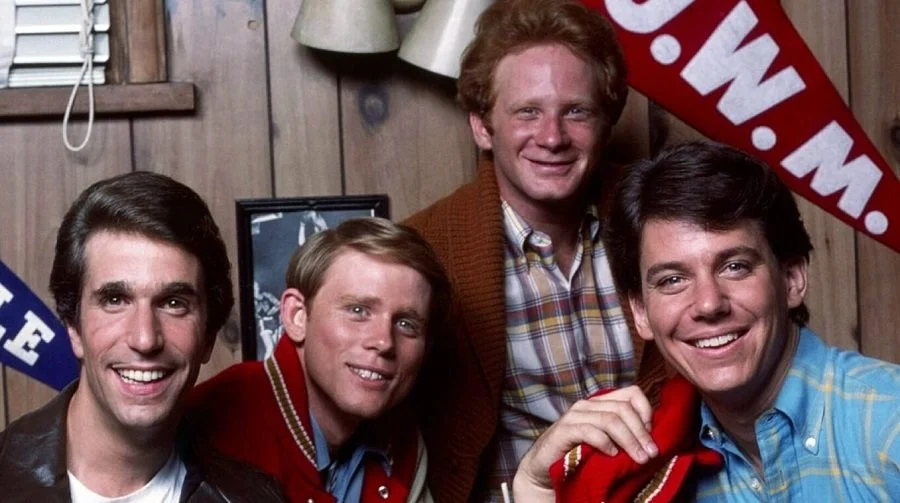
Happy Days (1974–1984)
If any television show perfectly captured America's nostalgic fascination with the 1950s during the 1970s, it was Happy Days. Set in Milwaukee, Wisconsin, the ABC sitcom introduced viewers to Richie Cunningham, his family, and a lovable group of friends whose adventures revolved around school, dating, friendship, and the local hangout, Arnold's. Ron Howard played the wholesome Richie, while Henry Winkler became a genuine pop culture phenomenon as Arthur Fonzarelli, better known simply as Fonzie. With his leather jacket, motorcycle, and seemingly supernatural ability to make a jukebox work with a tap, Fonzie was the definition of television cool. Yet beneath the jokes and teenage adventures, Happy Days was an affectionate celebration of family, friendship, and growing up. Tom Bosley and Marion Ross were terrific as Howard and Marion Cunningham, and the show's success helped launch other beloved sitcoms. For a generation of viewers, Tuesday night meant one thing: it was time to visit the Cunninghams and the Fonz. Ayyyy!
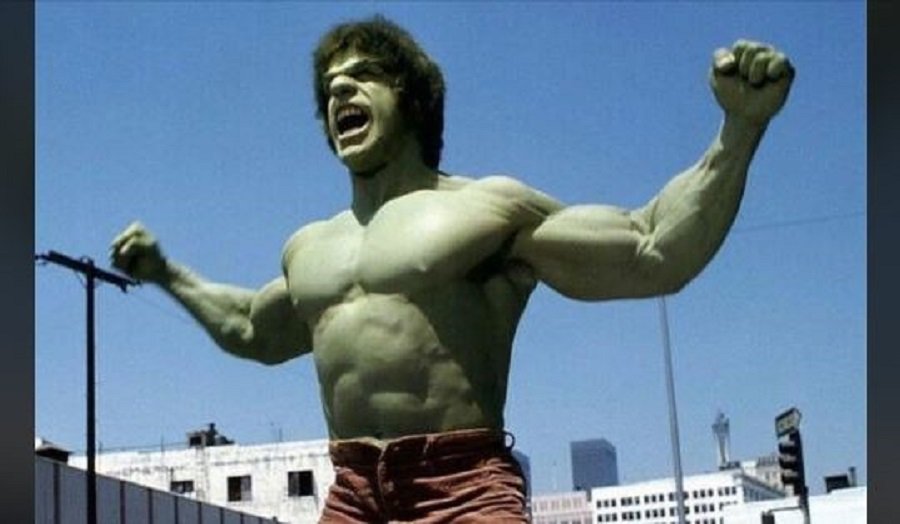
The Incredible Hulk (1977–1982)
Long before computer-generated superheroes dominated movie theaters, The Incredible Hulk demonstrated that a comic book character could make the transition to live-action television with genuine emotion and compelling storytelling. Bill Bixby starred as Dr. David Banner, a scientist whose experiments resulted in a frightening transformation whenever his emotions became uncontrollable. Bodybuilder Lou Ferrigno portrayed the towering green Hulk, bringing a remarkable physical presence to the role. Unlike many superhero adventures, the series frequently focused on Banner's loneliness and his efforts to help ordinary people while searching for a way to cure himself. Jack Colvin played reporter Jack McGee, whose pursuit of the mysterious creature added another layer of tension. Beginning with television movies in 1977 and continuing as a weekly series in 1978, The Incredible Hulk was far more than a superhero spectacle. It was a surprisingly touching adventure drama that remains one of the most memorable Marvel television adaptations ever produced.
LOVE COMIC BOOK HISTORY?
You're in the right place. When It Was Cool features decades of research from historian and author Karl Stern, including the Batman in Order Podcast, the When It Was Cool: Retro Pop Culture podcast, historical articles, and thousands of archived podcasts.
SUBSCRIBE TO US ON PATREON! → Click Here!
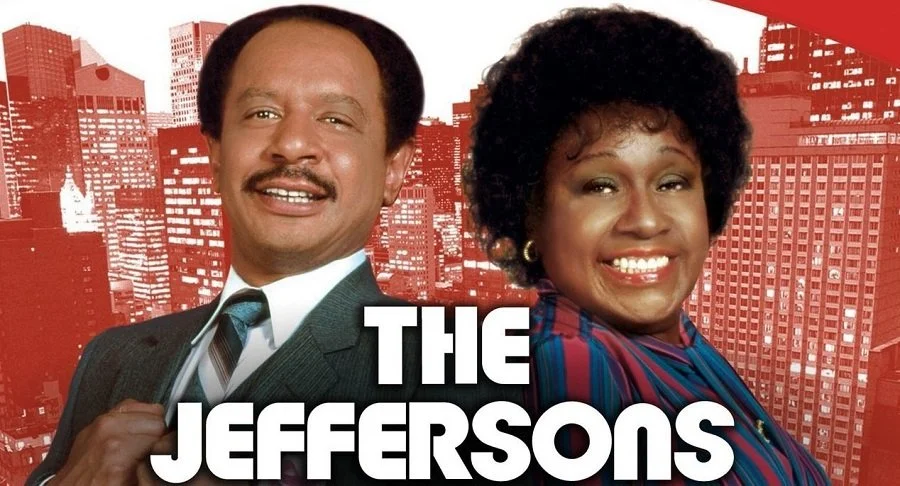
The Jeffersons (1975–1985)
Few television spin-offs have achieved the enormous success of The Jeffersons. Originally introduced on All in the Family, George and Louise Jefferson became the stars of their own CBS sitcom in 1975, moving from Queens into a luxurious Manhattan apartment. Sherman Hemsley was outstanding as George Jefferson, an ambitious, outspoken businessman whose confidence frequently exceeded his patience. Isabel Sanford provided the perfect balance as Louise, affectionately known as Weezy, who often served as the voice of reason. The show's outstanding supporting cast included Marla Gibbs as the sharp-tongued housekeeper Florence and Roxie Roker and Franklin Cover as Helen and Tom Willis. The Jeffersons combined quick dialogue, memorable personalities, and social commentary with an abundance of genuine laughs. Its success demonstrated the popularity of characters who could argue, disagree, and occasionally drive one another crazy while still remaining deeply connected. And honestly, who could hear that opening theme without wanting to sing along?
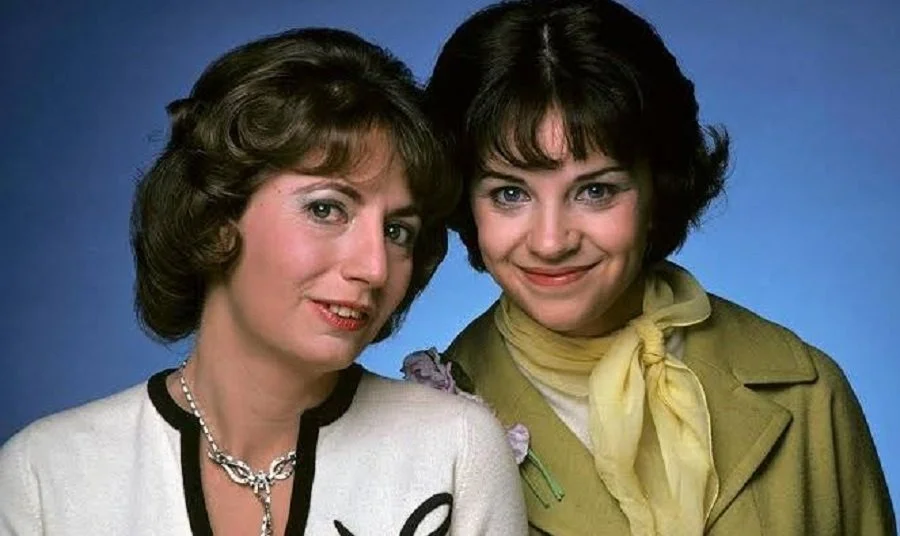
Laverne & Shirley (1976–1983)
After being introduced on Happy Days, two memorable Milwaukee roommates received their own sitcom in 1976, and television audiences quickly discovered that Laverne & Shirley could be every bit as entertaining as its parent series. Penny Marshall played the outspoken Laverne DeFazio, while Cindy Williams portrayed her more reserved but equally lovable best friend Shirley Feeney. Working at the Shotz Brewery and navigating the adventures of friendship, employment, and romance, the two actresses displayed wonderful comedic chemistry. Michael McKean and David Lander added another level of hilarity as their eccentric neighbors Lenny and Squiggy. The show excelled at physical comedy, ridiculous misunderstandings, and the type of exaggerated situations that recalled classic television comedy duos. At its heart, however, Laverne & Shirley was a celebration of friendship and sticking together through life's unpredictable adventures. It remains one of the happiest, funniest, and most endearing sitcoms of the decade.
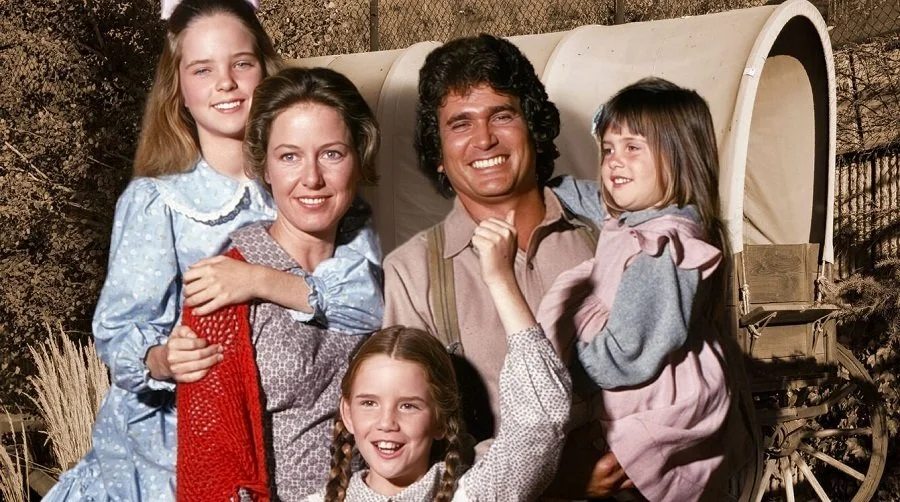
Little House on the Prairie (1974–1983)
In an era filled with urban sitcoms and modern family dramas, Little House on the Prairie offered something refreshingly different. Based on the books by Laura Ingalls Wilder, the NBC series followed the Ingalls family as they built a life on the American frontier. Michael Landon starred as Charles Ingalls, with Karen Grassle portraying Caroline and Melissa Gilbert bringing Laura Ingalls to life. The series combined historical adventure, family struggles, humor, and deeply emotional storytelling. Whether the family was dealing with harsh weather, financial hardships, disagreements among neighbors, or the challenges of growing up, the program consistently emphasized compassion, perseverance, and family devotion. It wasn't afraid to make viewers cry, but it also provided plenty of laughter and warmth. For many families during the 1970s, watching the Ingalls family together became a treasured weekly tradition. Decades later, the show's emphasis on kindness, resilience, and community continues to resonate.
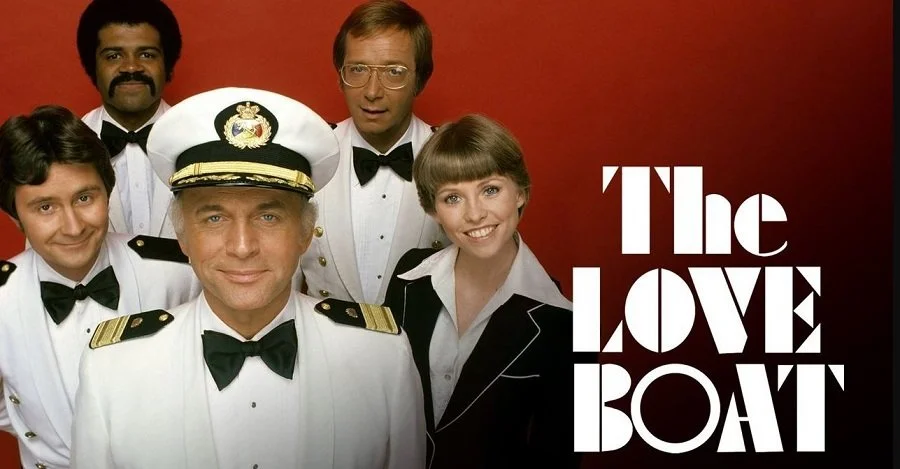
The Love Boat (1977–1986)
If you wanted a vacation without leaving your living room during the late 1970s, The Love Boat was happy to provide one. Set aboard the luxurious Pacific Princess cruise ship, the ABC comedy-drama followed Captain Merrill Stubing and his friendly crew as they welcomed an ever-changing collection of passengers. Gavin MacLeod led the cast as the captain, joined by Bernie Kopell as Doc, Fred Grandy as Gopher, Ted Lange as Isaac, and Lauren Tewes as Julie McCoy. The show's signature attraction was its rotating cast of familiar guest stars, who brought stories of romance, comedy, misunderstandings, and second chances aboard the ship. The format made every episode feel like a miniature television variety package filled with recognizable faces. The Love Boat was cheerful, lighthearted entertainment that didn't require complicated plots or intense drama. All you needed was a comfortable chair, a television set, and a willingness to enjoy a little adventure on the high seas. No actual seasickness required.
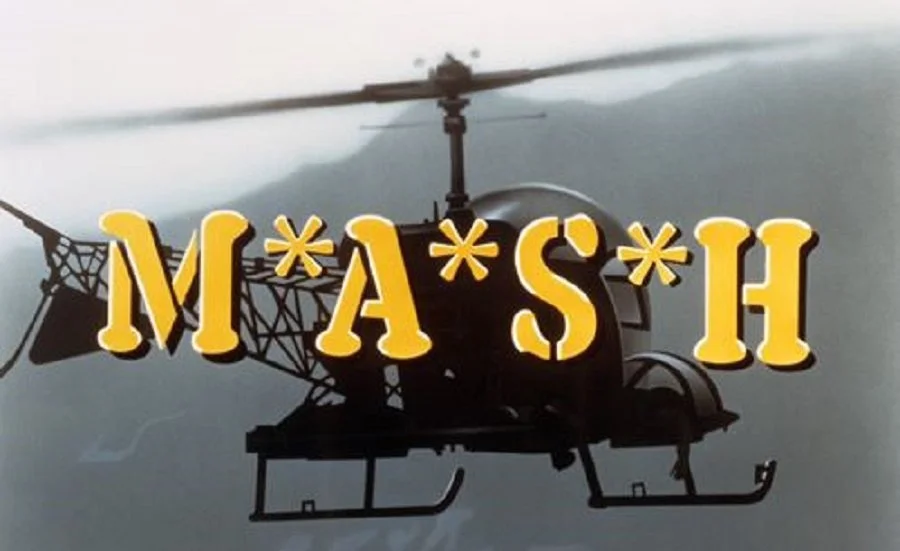
M*A*S*H (1972–1983)
Few television programs have balanced comedy and drama as successfully as M*A*S*H. Set during the Korean War, the CBS series followed the doctors, nurses, and personnel of the 4077th Mobile Army Surgical Hospital as they attempted to save lives while maintaining their sanity through humor. Alan Alda became one of television's most celebrated performers as Captain Benjamin Franklin "Hawkeye" Pierce, a gifted surgeon whose wit often served as his defense against the terrible realities surrounding him. The supporting cast was equally memorable, featuring characters such as Radar O'Reilly, Margaret Houlihan, Klinger, Colonel Potter, and B.J. Hunnicutt. What made M*A*S*H extraordinary was its ability to move effortlessly from hilarious practical jokes to deeply moving moments of humanity. It could make audiences laugh one minute and reflect on something serious the next. Although the series continued into the 1980s, its place among the defining television programs of the 1970s is unquestionable. This was television storytelling at its very best.
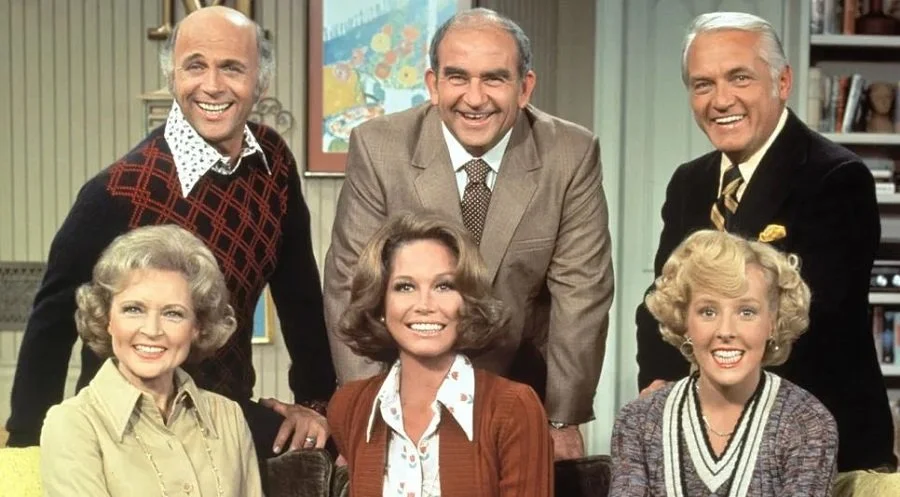
The Mary Tyler Moore Show (1970–1977)
With a remarkable ensemble cast and some of the finest comedy writing of its generation, The Mary Tyler Moore Show helped establish a new standard for television sitcoms. Mary Tyler Moore starred as Mary Richards, an independent woman working as an associate producer at a Minneapolis television station. The fictional WJM newsroom was populated by an unforgettable group of characters, including Ed Asner's gruff but lovable Lou Grant, Gavin MacLeod's good-natured Murray Slaughter, and Ted Knight's hilariously self-important anchorman Ted Baxter. Valerie Harper's Rhoda Morgenstern, Cloris Leachman's Phyllis Lindstrom, and Betty White's Sue Ann Nivens further enriched the series. The show was groundbreaking in its portrayal of an unmarried career woman who was confident, capable, and happy building a life on her own terms. But above all else, it was exceptionally funny. Its clever writing, memorable characters, and warm portrayal of friendship made it one of the most beloved sitcoms in television history.
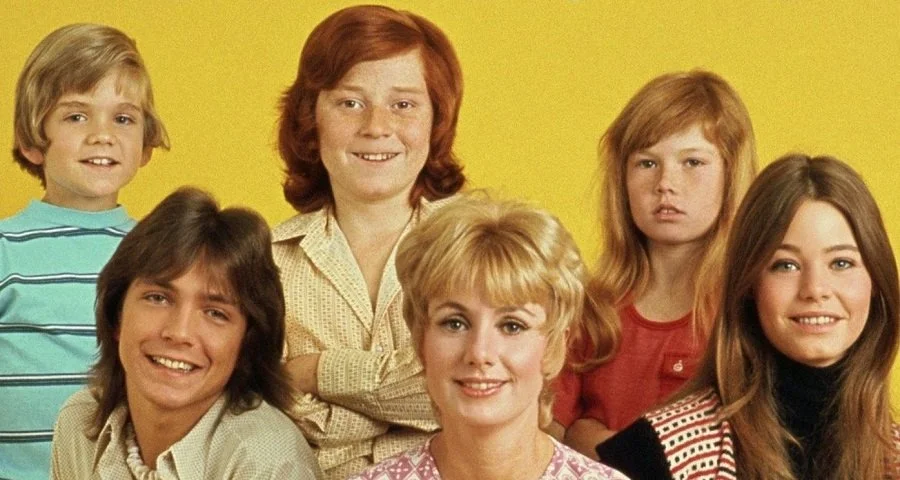
The Partridge Family (1970–1974)
The 1970s loved a good family sitcom, and The Partridge Family added something extra to the formula: a traveling pop music group. Shirley Jones starred as widowed mother Shirley Partridge, who joined her talented children in forming a musical act that toured the country aboard an unforgettable brightly painted school bus. David Cassidy became one of the decade's biggest teenage heartthrobs as Keith Partridge, while Susan Dey, Danny Bonaduce, and the younger cast members completed the family. Dave Madden was wonderful as the group's frequently exasperated manager, Reuben Kincaid. The series blended light comedy, family adventures, and catchy pop songs, creating an upbeat atmosphere that fit perfectly with early 1970s television. The fictional band's success extended beyond the television screen, producing genuine hit records and a tremendous amount of merchandise. For fans who grew up with the program, The Partridge Family remains a delightful reminder of an era when television, music, and teenage pop culture came together in one colorful package.
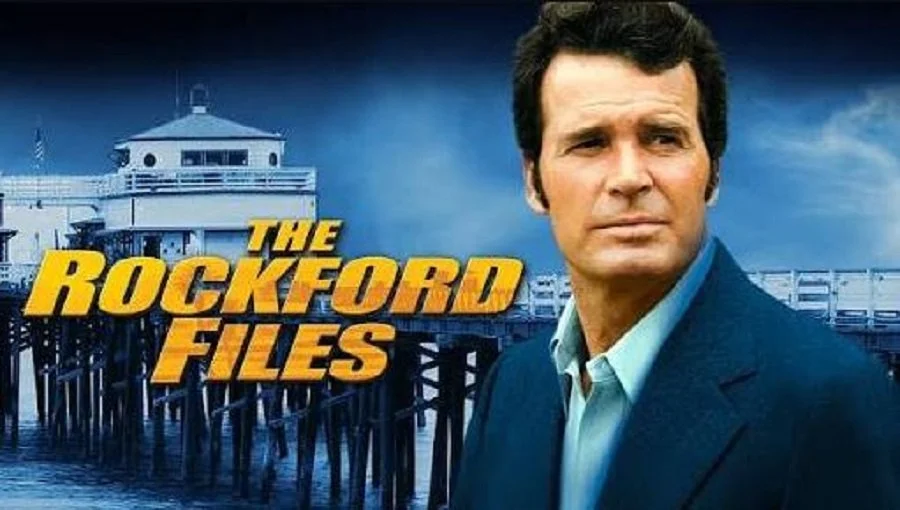
The Rockford Files (1974–1980)
James Garner brought effortless charm, humor, and a healthy dose of world-weary skepticism to television detective stories with The Rockford Files. Garner portrayed Jim Rockford, a private investigator living in a trailer near the beach in Malibu, California. Unlike the wealthy, glamorous detectives sometimes found on television, Rockford frequently struggled to get paid, drove a well-worn Pontiac Firebird, and preferred talking his way out of trouble whenever possible. Unfortunately, trouble usually found him anyway. The supporting cast, including Noah Beery Jr. as Rockford's father Rocky and Joe Santos as police detective Dennis Becker, added considerable warmth and personality to the series. What made The Rockford Files special was its combination of engaging mysteries, clever dialogue, humor, and Garner's wonderfully relaxed performance. Rockford wasn't interested in being a larger-than-life hero. He just wanted to solve the case, collect his fee, and maybe enjoy a quiet evening without someone trying to run him off the road.
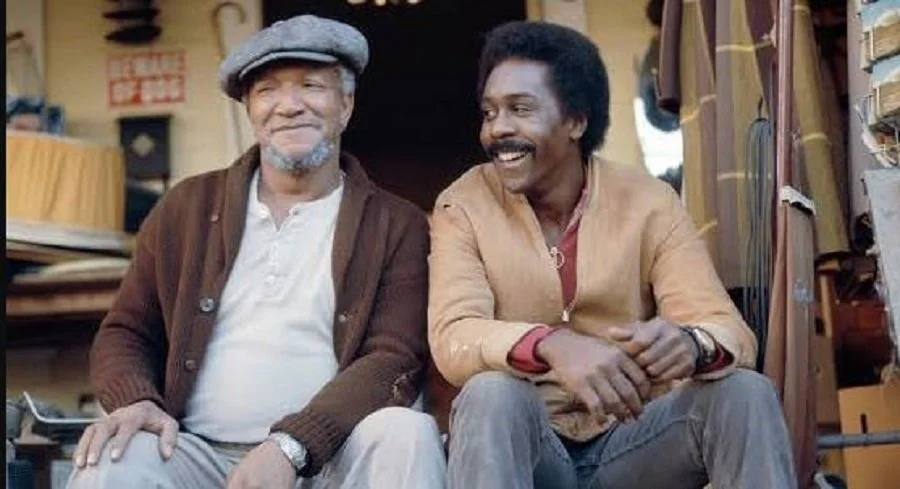
Sanford and Son (1972–1977)
There was simply nobody on television quite like Fred Sanford. Portrayed by legendary comedian Redd Foxx, Fred was a cantankerous Los Angeles junk dealer who spent much of his time scheming, complaining, and verbally sparring with practically everyone who entered his yard. His patient son Lamont, played by Demond Wilson, was generally left trying to keep the family business running and his father out of trouble. Sanford and Son was famous for its sharp dialogue, outrageous situations, and Foxx's incredible comedic timing. Fred's dramatic declarations that he was about to suffer a heart attack became one of the most recognizable running jokes in television history. LaWanda Page was hilarious as Aunt Esther, whose constant battles with Fred provided some of the show's funniest moments. Despite all the arguments and insults, the affection between Fred and Lamont gave the series a surprisingly warm center. Sanford and Son was loud, spirited, occasionally outrageous, and consistently entertaining. And if Aunt Esther walked through the front door, you knew things were about to get interesting.
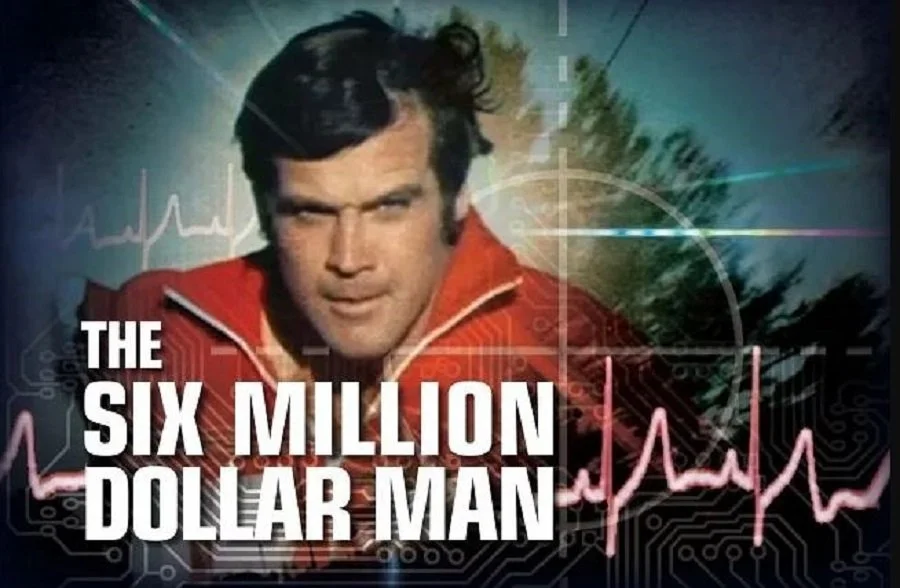
The Six Million Dollar Man (1974–1978)
Gentlemen, television had the technology, and in the 1970s it used that technology to create one of the coolest action heroes ever. The Six Million Dollar Man starred Lee Majors as Colonel Steve Austin, a former astronaut rebuilt with extraordinary bionic abilities following a devastating accident. With enhanced strength, incredible running speed, and superior vision, Austin carried out dangerous assignments for a secret government organization. The series began with television movies in 1973 before becoming a weekly ABC program in 1974. Richard Anderson portrayed Austin's supervisor Oscar Goldman, while the show introduced audiences to a memorable assortment of villains and extraordinary challenges. The distinctive slow-motion running sequences and electronic bionic sound effects became instantly recognizable to viewers. Children everywhere pretended to possess Steve Austin's remarkable abilities, often reenacting scenes in backyards and school playgrounds. And then there were the action figures, which became treasured toys for a generation. The Six Million Dollar Man was 1970s science-fiction adventure at its most imaginative and entertaining. The VENUS DEATH PROBE and BIONIC BIGFOOT for Pete’s sake.
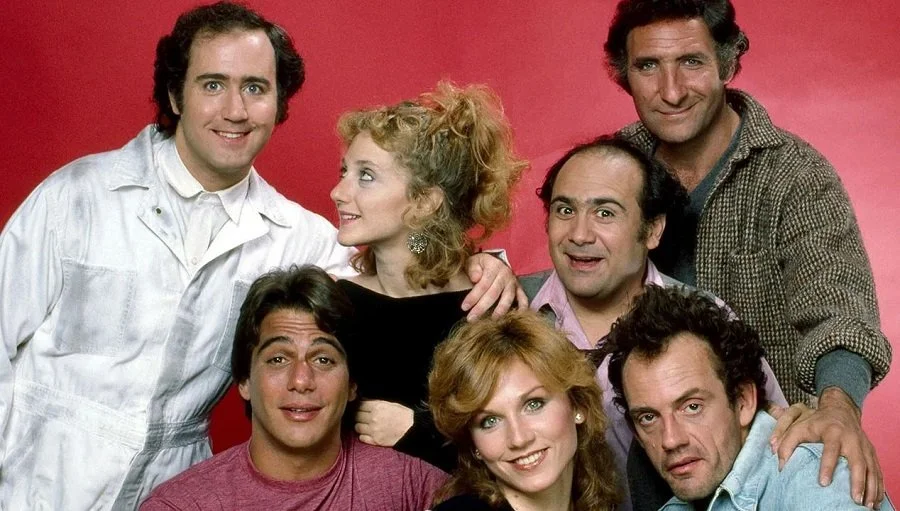
Taxi (1978–1983)
One of the most talented ensemble casts in sitcom history gathered inside the fictional Sunshine Cab Company for Taxi, a brilliant comedy that premiered on ABC in 1978. Judd Hirsch played Alex Rieger, the practical and levelheaded cab driver surrounded by an unforgettable collection of coworkers. Danny DeVito was spectacular as the obnoxious dispatcher Louie De Palma, while Tony Danza, Marilu Henner, Jeff Conaway, Christopher Lloyd, and Andy Kaufman brought an extraordinary range of personalities to the series. Kaufman's unusual portrayal of Latka Gravas was particularly memorable, providing some of television's most wonderfully unpredictable comedy. Beneath the laughter, Taxi was often a thoughtful show about ordinary people pursuing dreams while working jobs that didn't always reflect their ambitions. Its humor ranged from wonderfully absurd to surprisingly heartfelt, and the performers worked together with remarkable chemistry. Although it debuted near the end of the decade, Taxi quickly established itself as one of the finest television comedies of its era.
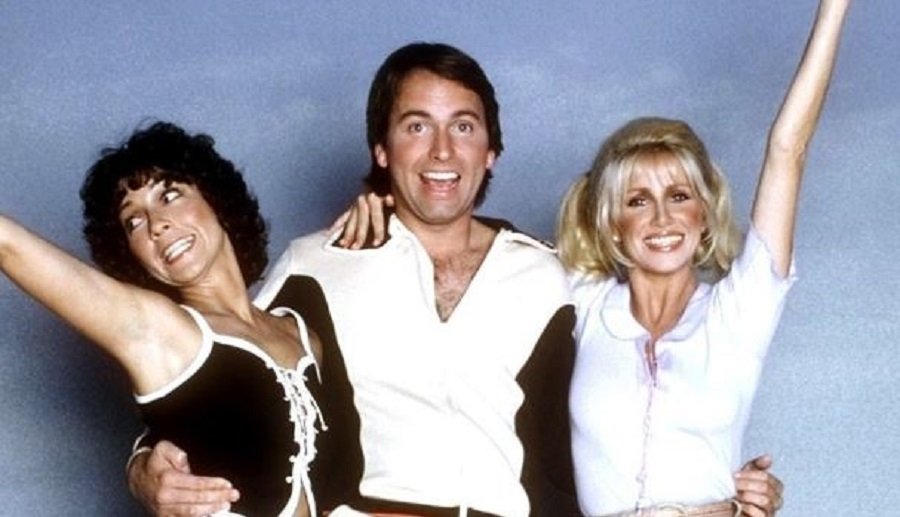
Three's Company (1977–1984)
Few sitcoms could take a simple misunderstanding and turn it into as much hilarious chaos as Three's Company. Premiering on ABC in 1977, the series starred John Ritter as Jack Tripper, an aspiring chef who shared a Santa Monica apartment with roommates Janet Wood and Chrissy Snow, played by Joyce DeWitt and Suzanne Somers. Their living arrangement required a convenient deception to satisfy the landlord's expectations, setting the stage for an endless collection of mistaken identities, awkward situations, and outrageous misunderstandings. Norman Fell and Audra Lindley were terrific as landlords Stanley and Helen Roper, while Don Knotts later joined the series as the wonderfully eccentric Ralph Furley. Ritter's remarkable gift for physical comedy became one of the show's greatest attractions. Whether falling over furniture, attempting to conceal a ridiculous situation, or frantically explaining something that had gone terribly wrong, Ritter displayed the timing of a classic comedy performer. Three's Company was silly, energetic, and enormously enjoyable television entertainment.
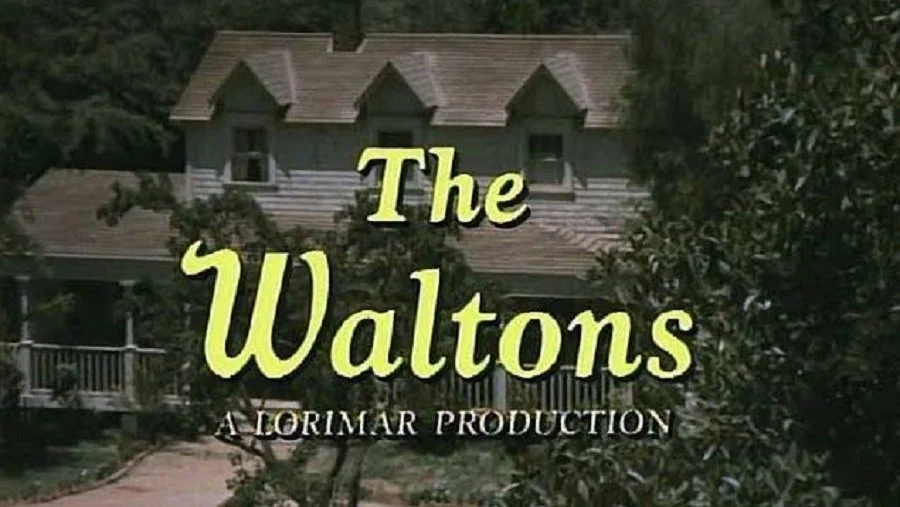
The Waltons (1972–1981)
Few television programs captured the warmth of family life quite like The Waltons. Set in rural Virginia during the Great Depression and World War II years, the CBS drama followed the Walton family as they faced financial hardship, social change, and the everyday challenges of raising a large family. Richard Thomas starred as aspiring writer John-Boy Walton, whose observations and experiences provided the emotional foundation for many of the show's stories. Ralph Waite and Michael Learned portrayed John and Olivia Walton, while Will Geer and Ellen Corby brought enormous charm to the roles of Grandpa and Grandma. The series celebrated simple pleasures, neighborly kindness, faith, perseverance, and the importance of family relationships. It offered thoughtful storytelling without sacrificing humor or the everyday joys of life. For viewers who watched during the 1970s, the family's familiar goodnight exchanges became one of television's most treasured traditions. The Waltons remains a wonderful reminder that powerful storytelling doesn't always require extraordinary circumstances. Sometimes the ordinary moments of life are extraordinary enough.
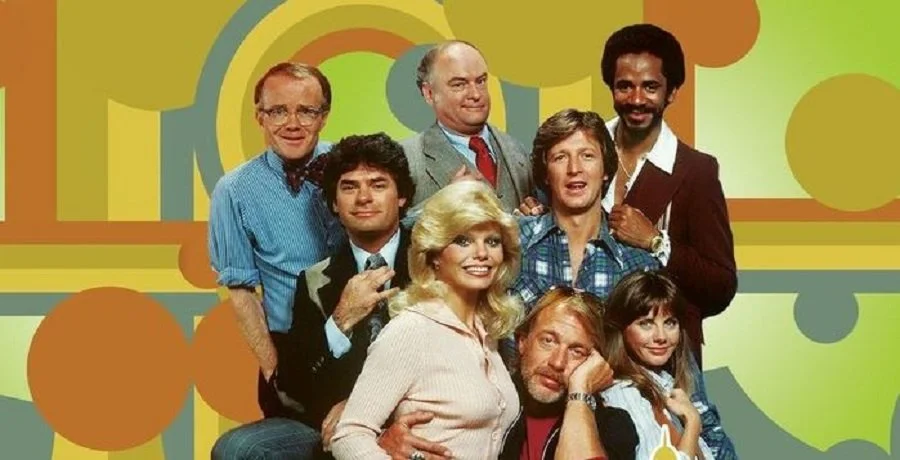
WKRP in Cincinnati (1978–1982)
If you've ever wondered what happens when an eccentric group of people attempts to run a struggling radio station, WKRP in Cincinnati provides one of television's funniest answers. Premiering in 1978, the CBS sitcom followed the staff of a fictional Cincinnati radio station as they tried to improve ratings, attract advertisers, and survive one another's questionable decisions. Gary Sandy played program director Andy Travis, while Gordon Jump was wonderful as the well-meaning but frequently confused station manager Arthur Carlson. Howard Hesseman portrayed the laid-back Dr. Johnny Fever, Tim Reid brought style and humor to Venus Flytrap, and Richard Sanders delivered memorable performances as newsman Les Nessman. Loni Anderson, Jan Smithers, and Frank Bonner completed an outstanding ensemble cast. The show's writing was sharp, its characters were delightfully eccentric, and its behind-the-scenes view of radio broadcasting added a distinctive element to the comedy. And of course, fans will never forget the legendary Thanksgiving turkey promotion episode, one of the funniest half-hours in sitcom history.
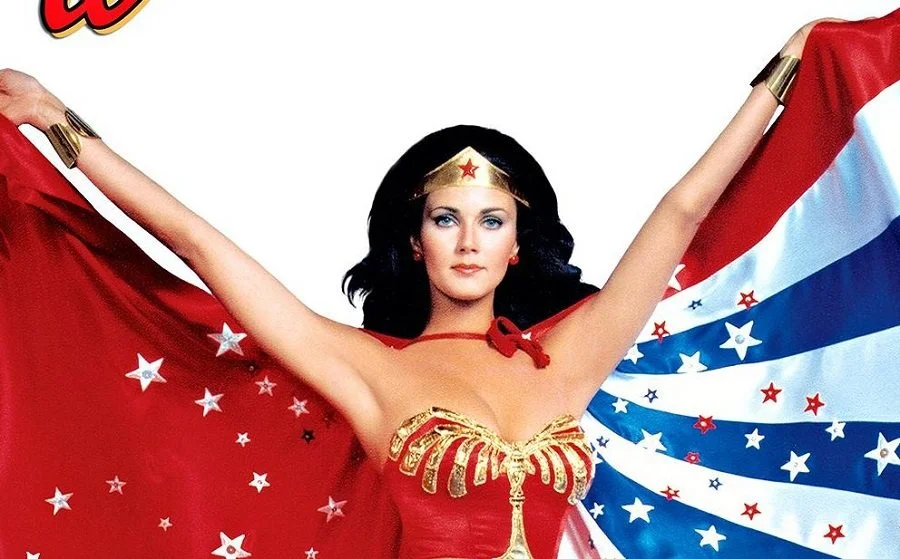
Wonder Woman (1975–1979)
Long before superhero movies became the biggest attractions at the box office, Wonder Woman demonstrated that comic book adventures could become exciting and enormously popular television entertainment. Lynda Carter starred as Diana Prince, the Amazon princess who transformed into the heroic Wonder Woman to battle criminals, enemy agents, and other dangerous adversaries. The series debuted with a television movie in 1975 and continued as a weekly program beginning in 1976. Its early adventures were set during World War II, while later seasons moved the action into the contemporary 1970s. Carter's portrayal combined strength, intelligence, grace, and warmth, making her interpretation of the DC Comics heroine one of the most beloved superhero performances in television history. The costume, golden lasso, bracelets, and memorable transformation sequence became iconic parts of 1970s pop culture. For children growing up during the decade, Wonder Woman was a weekly dose of comic book excitement brought directly into the living room. And more than fifty years after its debut, Lynda Carter remains closely associated with the character she helped make famous.
LOVE COMIC BOOK HISTORY?
You're in the right place. When It Was Cool features decades of research from historian and author Karl Stern, including the Batman in Order Podcast, the When It Was Cool: Retro Pop Culture podcast, historical articles, and thousands of archived podcasts.
SUBSCRIBE TO US ON PATREON! → Click Here!
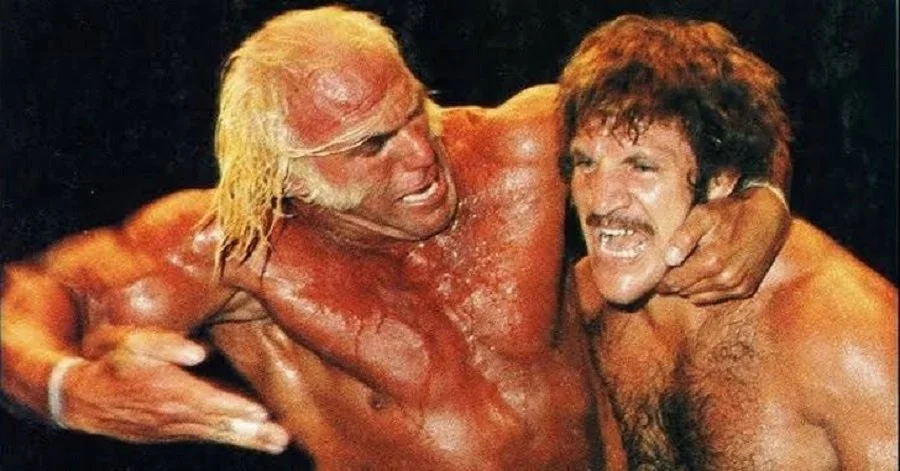
Your Local Territorial Pro Wrestling Company (1970s)
You know you watched it. Every place in the United States during the 1970s was served by a local pro wrestling promoter. If you were in New York, then it was WWWF (today known as WWE) and you enjoyed champions like Superstar Billy Graham and Bob Backlund. If you lived in the deep south, you had several to choose from including Championship Wrestling from Florida with Dusty Rhodes, Southeastern Championship Wrestling from Pensacola, FL and 'Bullet' Bob Armstrong, in Memphis there was Jerry 'The King' Lawler. Up in the Great Lakes and middle America Verne Gagne's AWA was your home team. Of course, I have to mention the entire eastern seaboard was served by the NWA Jim Crockett Promotions with Harley Race and Ric Flair. You know you watched it. You know you loved it. You know that stuff is fake, right? But we didn't care then and we don't care now because it was awesome.
LOVE PRO WRESTLING HISTORY?
You're in the right place. When It Was Cool features decades of research from historian and author Karl Stern, including the DragonKingKarl Classic Wrestling Podcast, the 1000 Hours Pioneers of Pro Wrestling podcast, historical articles, and thousands of archived podcasts.
SUBSCRIBE TO US ON PATREON! → Click Here!
Why Classic TV Shows of the 1970s Still Matter Today
Looking back at these 25 television favorites, one thing becomes immediately clear: the 1970s were an extraordinary period of creativity and variety on American television.
There were sitcoms that challenged audiences to think, family dramas that reminded us what really mattered, superhero adventures that captured the imagination, and detective shows that combined excitement with clever storytelling. There were lovable families, unforgettable neighbors, colorful coworkers, and characters whose catchphrases remain familiar decades later.
Perhaps most importantly, these shows created shared experiences. Millions of Americans watched the same programs, discussed the same episodes at work or school the following morning, and developed an affection for fictional characters who seemed almost like members of their own families.
Today, we can watch many of these classics through reruns, home video collections, and streaming services. Yet there is something special about remembering the days when television viewing was an event, when the weekly TV Guide was a household necessity, and when changing the channel often required someone to actually get up from the couch.
Whether your favorite was Happy Days, M*A*S*H, The Jeffersons, Little House on the Prairie, Wonder Woman, or your local Saturday morning professional wrestling program, these shows deserve a place in the history of American popular culture.
At When It Was Cool, that is exactly what we celebrate: the television, movies, music, comics, toys, and memories that made yesterday's entertainment so unforgettable.
And just remember: if you grew up in the 1970s, there's a good chance you didn't need a remote control to change the channel.
You were the remote control.

For more television nostalgia, forgotten pop culture treasures, classic movie memories, and professional wrestling history, visit When It Was Cool and explore our growing collection of articles and podcasts. You can also support our ongoing work through the When It Was Cool Patreon community.