By: “DragonKingKarl” Karl Stern (Patreon)
Professional Wrestling Historian: Author of DragonKingKarl's Pioneer Era Pro Wrestling Omnibus

← 1976 (coming soon) | Explore 1977 | 1978 (coming soon) →
1977 in Pop Culture: Star Wars, Elvis Presley, Lynyrd Skynyrd and a Year That Changed Everything
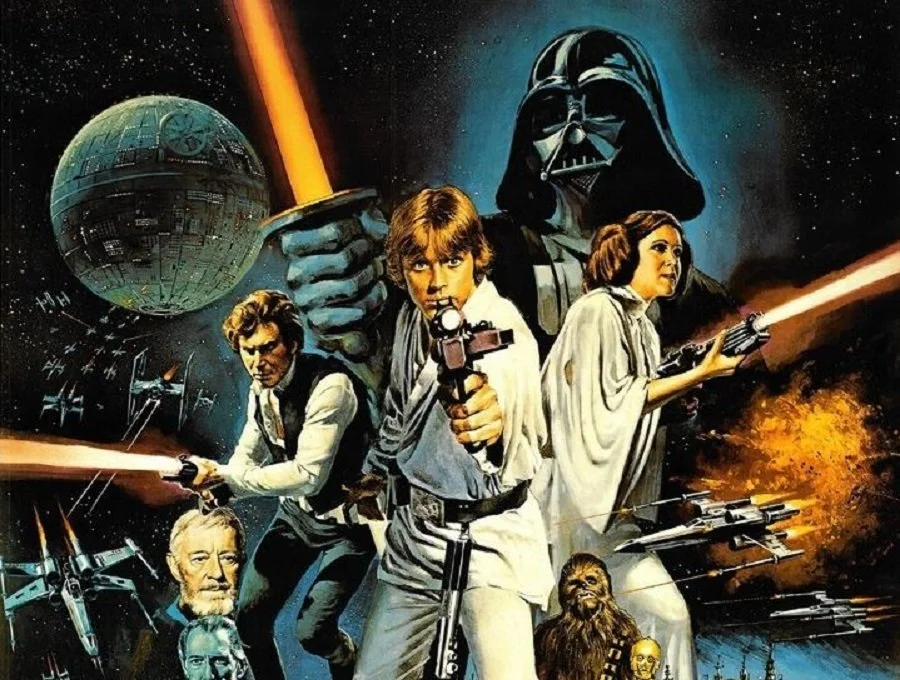
There are certain years in pop culture that seem bigger than the twelve months allotted to them. 1977 was one of those years.
It was a year when a movie almost nobody knew what to expect from changed Hollywood, toy stores, merchandising, and childhood itself. It was a year when millions mourned the death of Elvis Presley, only to be stunned again weeks later by the devastating plane crash that tore apart Lynyrd Skynyrd.
It was the year of Rumours, Hotel California, disco, punk rock, CB radios, polyester, shag carpeting, the Atari Video Computer System, Three's Company, CHiPs, The Love Boat, and a little science-fiction movie simply called Star Wars.
And by Christmas, children were so desperate for Star Wars toys that parents willingly paid money for a cardboard package containing a promise that the toys would arrive later.
That may tell you everything you need to know about 1977.
Before Star Wars, Nobody Knew Star Wars Was Going to Be STAR WARS
It is difficult to look backward from the modern world and understand how unusual the situation was.
Today, a major franchise movie can arrive in theaters accompanied by action figures, shirts, fast-food promotions, video games, collector editions, toys, books, cereal boxes, Halloween costumes and merchandise that has been planned months—or even years—in advance.
Star Wars didn't enter the world like that.
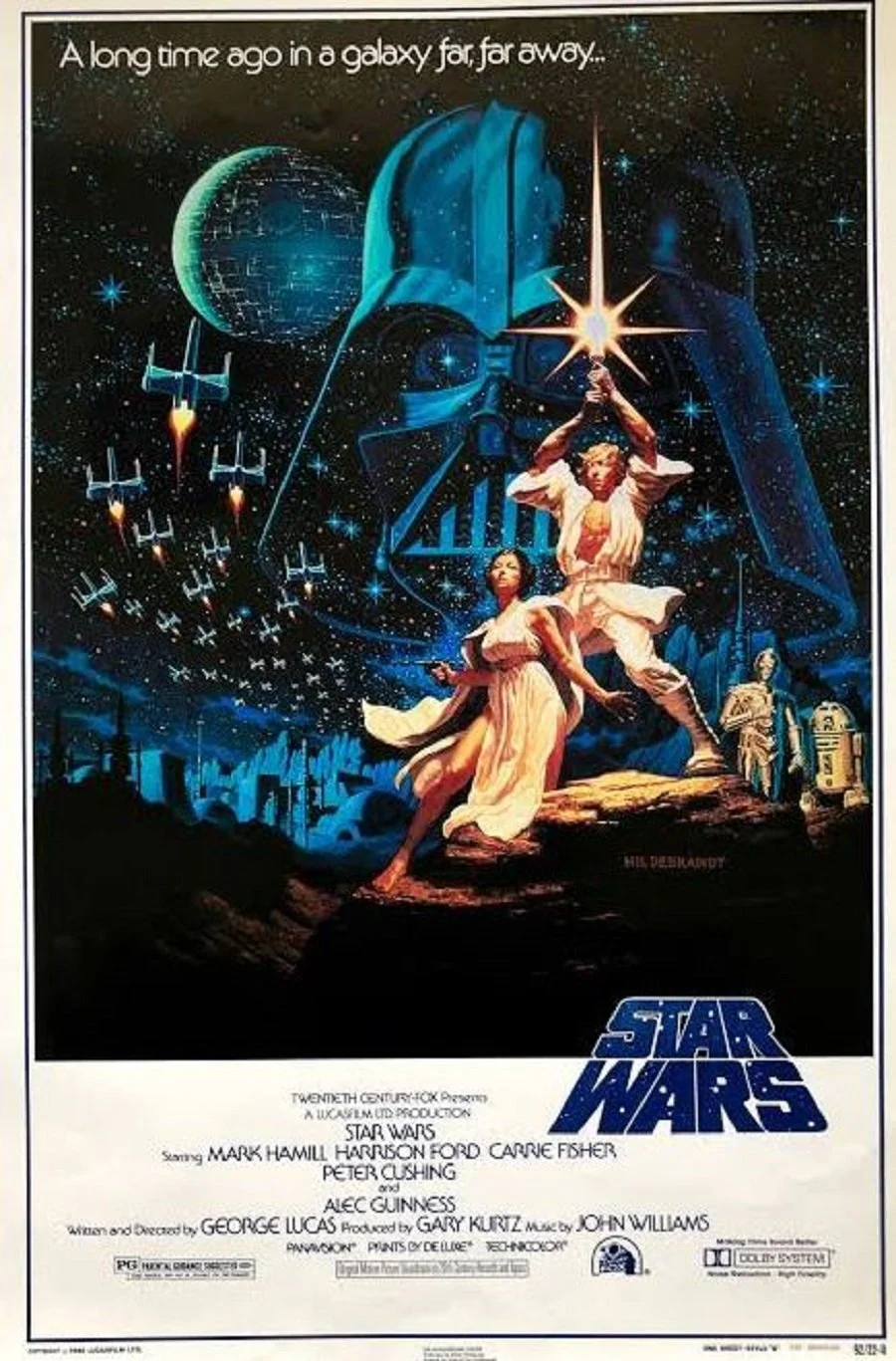
When George Lucas' movie opened on May 25, 1977, there was no guarantee that it was going to become a cultural phenomenon. In fact, it opened in only 43 theaters. Then something happened. People told other people about it and lines formed. People came back and watched it again and again.
Suddenly Luke Skywalker, Princess Leia, Han Solo, Chewbacca, Darth Vader, C-3PO and R2-D2 seemed to be everywhere.
The movie ultimately grossed more than $300 million during its original domestic theatrical run—an astonishing figure in the 1970s—and became the biggest box-office success of its era.
It wasn't simply a successful movie. It became an event.
For children especially, Star Wars seemed to create an entire universe overnight and naturally, those children wanted toys. There was just one problem. The toys weren't ready.
Christmas 1977: When Kids Asked Santa Claus for Toys That Didn't Exist Yet
The toy company Kenner had obtained the rights to produce Star Wars merchandise, but practically everyone had underestimated how huge the movie would become. Creating action figures required design work, sculpting, manufacturing, packaging and safety testing. By the time Star Wars exploded during the summer of 1977, there simply wasn't enough time to manufacture the figures needed for Christmas.
This was a potentially enormous missed opportunity. Imagine having the hottest children's property in America—and virtually none of the toys children really wanted available for the biggest shopping season of the year.
Kenner came up with one of the strangest solutions in toy-industry history. They sold the toys anyway. Or, more accurately, they sold a promise.
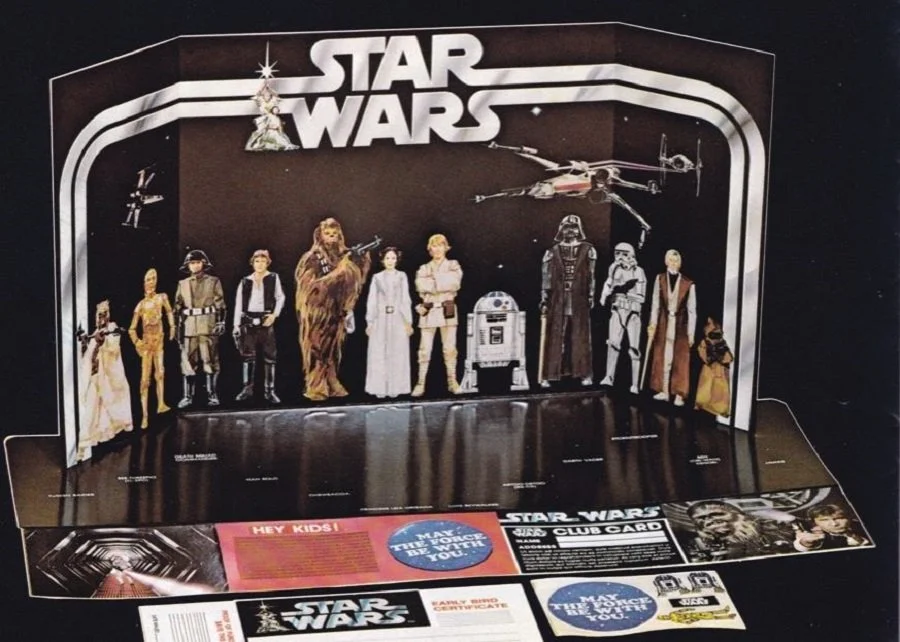
The Star Wars Early Bird Certificate Package appeared during the 1977 Christmas shopping season. Inside was a cardboard display stand, stickers, a Star Wars Space Club membership card and, most importantly, a certificate that could be mailed to Kenner.
Eventually, the child would receive four action figures: Luke Skywalker. Princess Leia. Chewbacca. R2-D2.
The figures themselves wouldn't begin arriving until 1978. Think about that for a moment. On Christmas morning in 1977, some children essentially opened an IOU. No Darth Vader. No Luke Skywalker. No Princess Leia. No plastic figures at all. Just the promise that they were coming.
It worked spectacularly.
The demand for Star Wars was so intense that simply knowing the toys were on their way was enough. The Early Bird promotion has since become one of the legendary stories of the vintage toy business. Smithsonian's National Air and Space Museum has even highlighted it as part of the way Star Wars changed entertainment merchandising.
For those who grew up in the catalog era, the story also fits perfectly with memories of Christmas Wish Books from Sears, J.C. Penney and other retailers—pages children studied almost as seriously as adults studied newspapers. Sears itself would become important in early Star Wars collecting, including exclusive merchandise such as the Cantina Adventure Playset, but the famous Early Bird certificate itself was a Kenner program distributed through retailers.
Then came 1978 and the figures finally arrived. The toy business would never be quite the same again. Kenner's smaller 3¾-inch figures allowed children to collect an entire cast of characters along with vehicles and playsets without requiring enormous toys for every character.
Soon there were X-wings, TIE fighters, landspeeders, playsets and, eventually, the magnificent Millennium Falcon. A generation began building galaxies on bedroom floors. Modern action-figure collecting owes an enormous debt to what happened after Star Wars in 1977.
Star Wars Didn't Just Win 1977—It Changed Hollywood
The success of Star Wars helped accelerate Hollywood's movement toward the modern blockbuster. Two years earlier, Jaws had demonstrated the enormous potential of a heavily promoted summer movie. Star Wars took that concept into another universe. Its influence wasn't limited to ticket sales.
The John Williams musical score became instantly recognizable. Darth Vader became one of cinema's great villains. Phrases such as "May the Force be with you" entered everyday language.
Science fiction, which Hollywood had often treated as either inexpensive genre material or more cerebral adult entertainment, suddenly became enormously commercial. And Star Wars wasn't the only science-fiction landmark of 1977. In November, Steven Spielberg released Close Encounters of the Third Kind. Within six months, moviegoers had received both Star Wars and Close Encounters. Science fiction had moved directly into the mainstream.
But 1977 Had More Than Star Wars
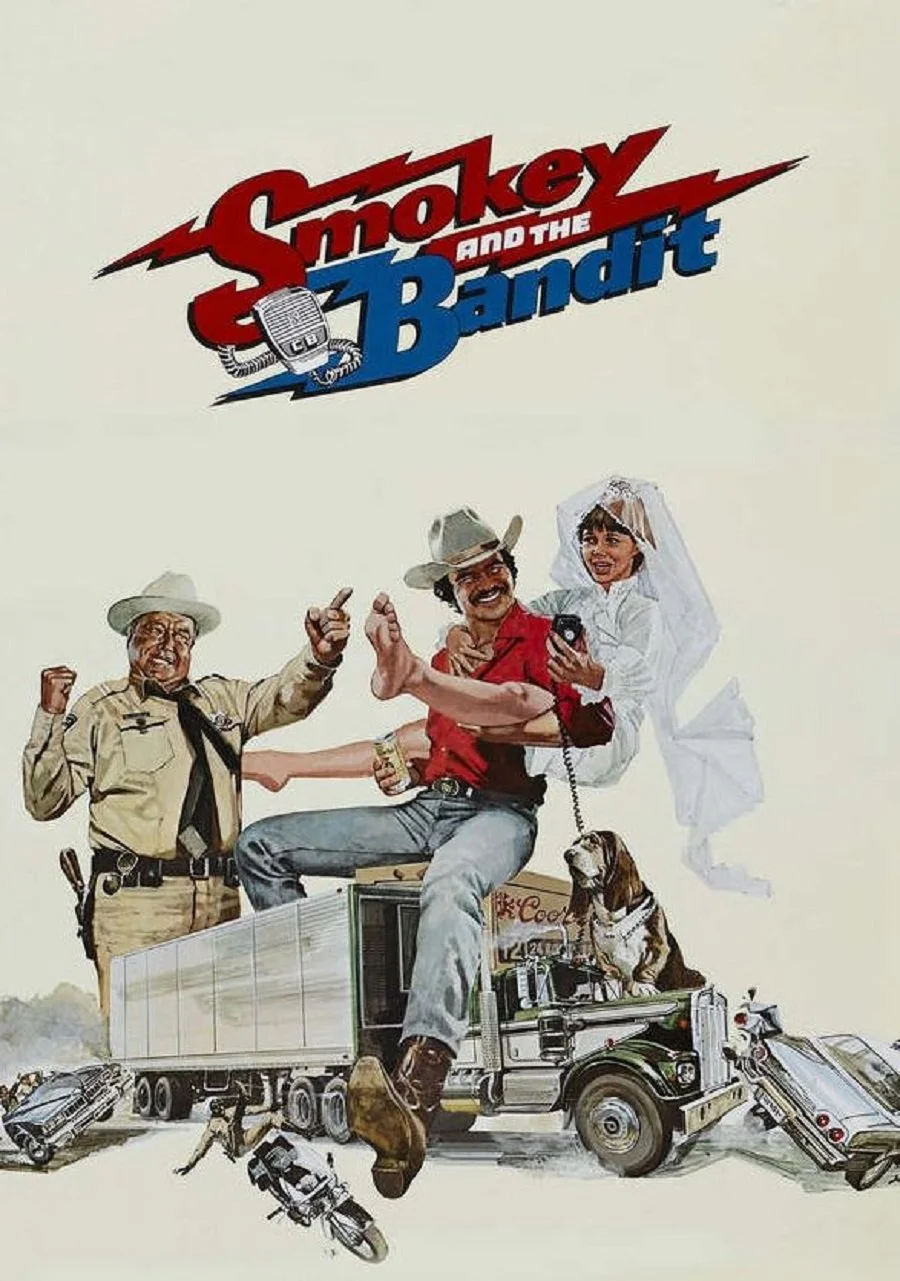
It's easy for Star Wars to swallow the rest of the year, but the movie theaters of 1977 were packed with films that would become fixtures of late-1970s culture. Burt Reynolds became an even bigger superstar with Smokey and the Bandit, accompanied by Sally Field, Jerry Reed and Jackie Gleason. Its CB-radio humor, Trans Am, car chases and Southern flavor captured another completely different side of 1970s America.
John Travolta transformed himself from television heartthrob to movie star in Saturday Night Fever, released in December, James Bond was still going strong as Roger Moore starred in The Spy Who Loved Me. Woody Allen released Annie Hall, which would later win the Academy Award for Best Picture.
Then there was A Bridge Too Far, The Deep, Oh, God!, The Turning Point, Looking for Mr. Goodbar and plenty more.
But at the box office, nothing could touch Star Wars.
The Top 5 Highest-Grossing Movies Released in 1977
Based on their total domestic theatrical grosses, the biggest films released that year were:
1. Star Wars — approximately $307.3 million
2. Smokey and the Bandit — approximately $126.7 million
3. Close Encounters of the Third Kind — approximately $116.4 million
4. Saturday Night Fever — approximately $94.2 million
5. A Bridge Too Far — approximately $50.8 million
The gap between Star Wars and everything else is remarkable. Its domestic gross was more than twice that of Smokey and the Bandit, the year's second-biggest film and several of those movies remain instantly recognizable almost half a century later. That is an impressive batting average for one year.
The Music of 1977 Was Everywhere
If 1977 was extraordinary at the movies, it may have been even more remarkable on the radio. Rock was huge and disco was getting bigger. Soft rock dominated AM radio. Country crossed into the pop charts. Punk rock was kicking down the door. And some of the most famous albums ever recorded were sitting in record stores at the same time.
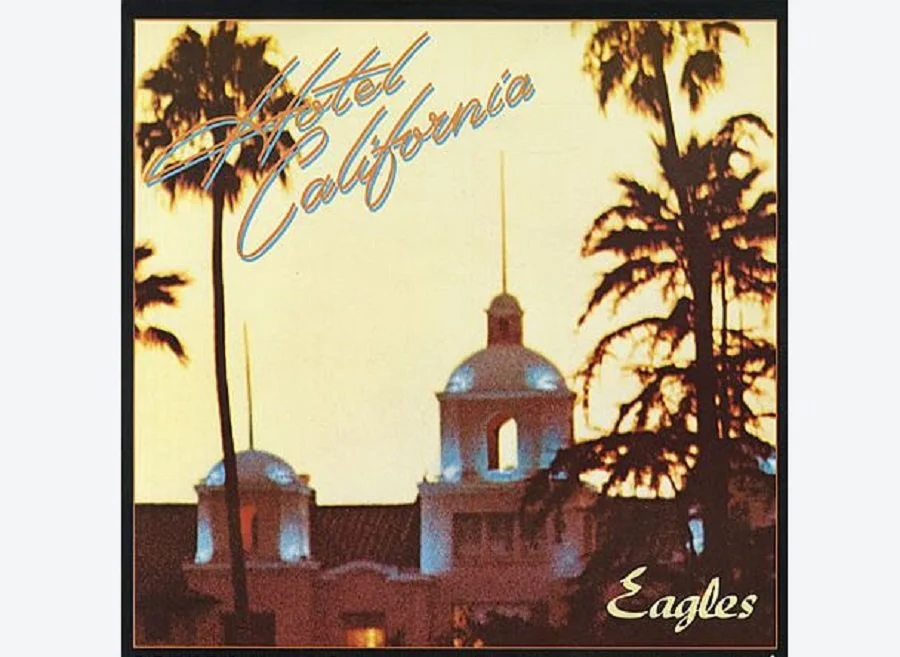
Fleetwood Mac's Rumours became the defining album for millions of listeners. It eventually won the Grammy for Album of the Year. The Eagles were riding high with Hotel California. Billy Joel released The Stranger. Meat Loaf released Bat Out of Hell. Steely Dan released Aja. Electric Light Orchestra (ELO) released Out of the Blue. Queen released News of the World. Elvis Costello released My Aim Is True. Talking Heads released Talking Heads: 77. And the Sex Pistols unleashed Never Mind the Bollocks, Here's the Sex Pistols.
Few years better illustrate how many different musical movements were happening simultaneously. You could hear Fleetwood Mac, ABBA, the Eagles, Stevie Wonder, KC and the Sunshine Band, Hall & Oates, Jimmy Buffett and Glen Campbell on popular radio while punk rock was erupting elsewhere.
Then, near the end of the year, disco went nuclear.
Saturday Night Fever
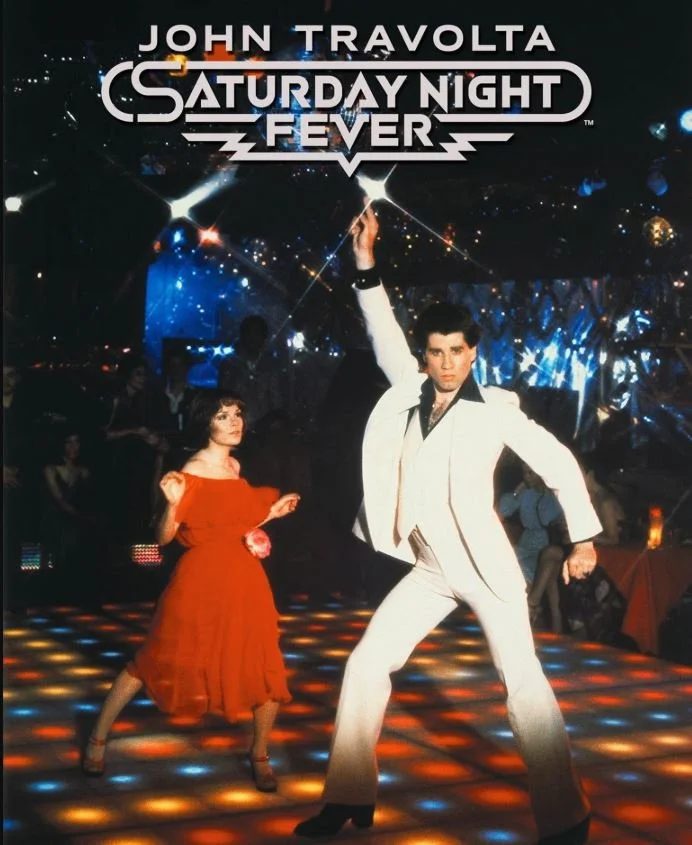
Saturday Night Fever arrived in theaters on December 16, 1977.
John Travolta's white suit, the illuminated dance floor and the Bee Gees soundtrack became permanent images of the decade. The soundtrack would spend an extraordinary 24 weeks at number one on the Billboard album chart and turn an already successful musical movement into a mainstream cultural explosion.
"Stayin' Alive."
"Night Fever."
"How Deep Is Your Love."
"More Than a Woman."
Those songs became almost inseparable from the image of the late 1970s. Interestingly, much of the soundtrack's enormous chart domination would actually occur during 1978.
Yet the fuse was lit in December 1977.
Billboard's Top 10 Songs of 1977
According to Billboard's year-end Hot 100 rankings, the top ten songs were:
1. "Tonight's the Night (Gonna Be Alright)" — Rod Stewart
2. "I Just Want to Be Your Everything" — Andy Gibb
3. "Best of My Love" — The Emotions
4. "Evergreen (Love Theme from A Star Is Born)" — Barbra Streisand
5. "Angel in Your Arms" — Hot
6. "I Like Dreamin'" — Kenny Nolan
7. "Don't Leave Me This Way" — Thelma Houston
8. "(Your Love Has Lifted Me) Higher and Higher" — Rita Coolidge
9. "Undercover Angel" — Alan O'Day
10. "Torn Between Two Lovers" — Mary MacGregor
Billboard's year-end calculation period crossed calendar boundaries, which explains one curiosity: Rod Stewart's "Tonight's the Night" ranked as Billboard's number-one single for 1977 even though much of its run at number one had taken place late in 1976.
And a simple Top 10 doesn't begin to capture how recognizable the year's music remains.
ABBA had "Dancing Queen."
The Eagles had "Hotel California."
Fleetwood Mac had "Dreams" and "Go Your Own Way."
Jimmy Buffett had "Margaritaville."
Stevie Wonder had "Sir Duke."
Glen Campbell had "Southern Nights."
Electric Light Orchestra had "Telephone Line."
Heart had "Barracuda."
1977 radio offered an astonishing mixture of styles.
Then the World Lost Elvis Presley
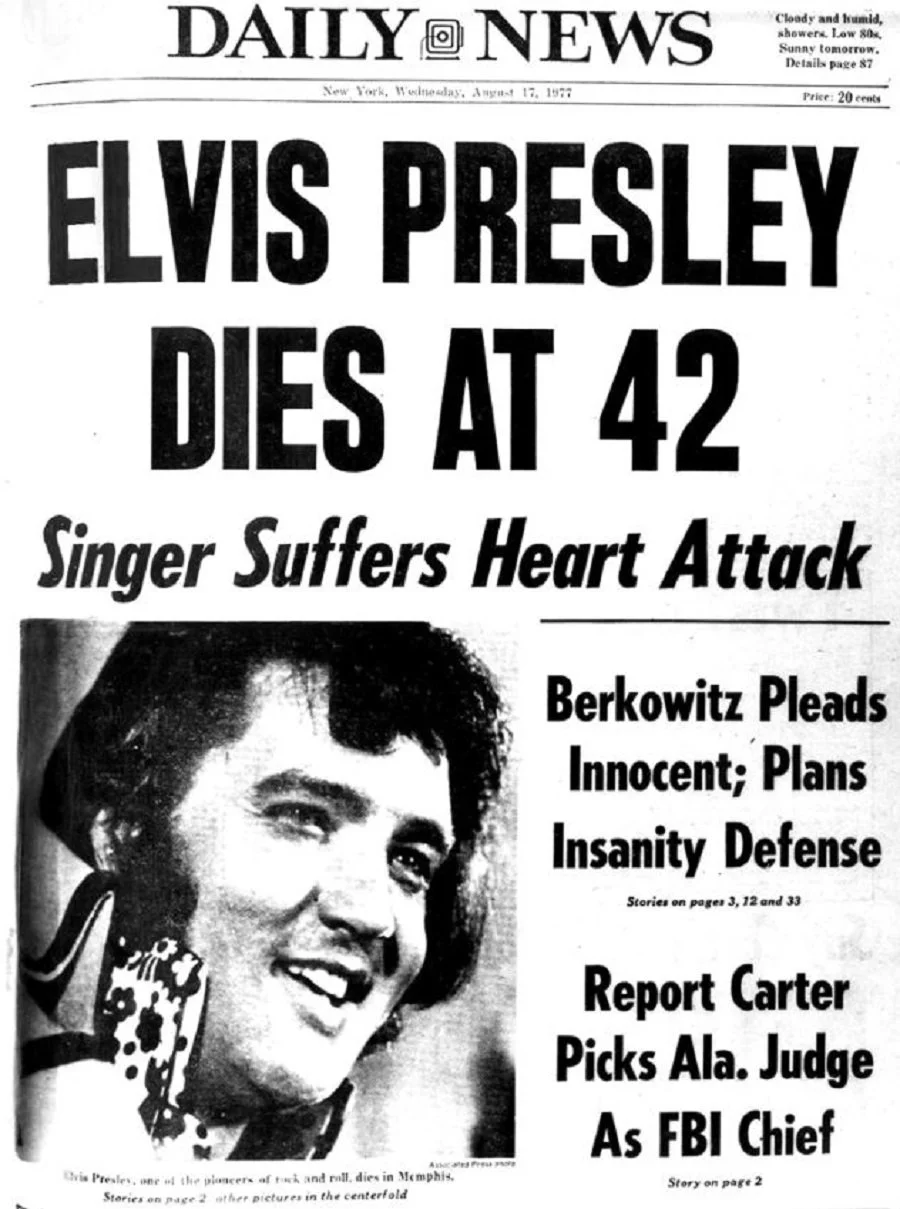
For all the excitement surrounding movies and music, 1977 also became a year remembered for loss. On August 16, Elvis Presley died at Graceland in Memphis. He was only 42 years old.
Today Elvis belongs so completely to history that it can be difficult to reconstruct what his death felt like in real time. Elvis Presley wasn't simply another famous singer. For an enormous portion of the population, Elvis had been one of the central figures of their youth. He had helped change popular music in the 1950s. He had frightened parents. He had electrified teenagers. He had gone into the Army, made Hollywood movies, staged one of television's great comeback specials and reinvented himself again as a Las Vegas headliner.
People had watched Elvis grow from the dangerous young rock-and-roll singer of the 1950s into an institution. Then suddenly he was gone. Only weeks earlier, on June 26, Elvis had performed what would prove to be his final concert at Market Square Arena in Indianapolis. He was preparing for another tour when he died at Graceland on August 16. His funeral was held two days later.
Record stores were flooded with customers. Radio stations played Elvis songs. Fans descended on Memphis. Television networks scrambled to cover a story that crossed entertainment news into genuine international mourning. For many Americans, hearing that Elvis Presley had died became one of those moments where they forever remembered where they were when they received the news.
But 1977 wasn't finished.
Lynyrd Skynyrd: Another Tragedy, Just Two Months Later
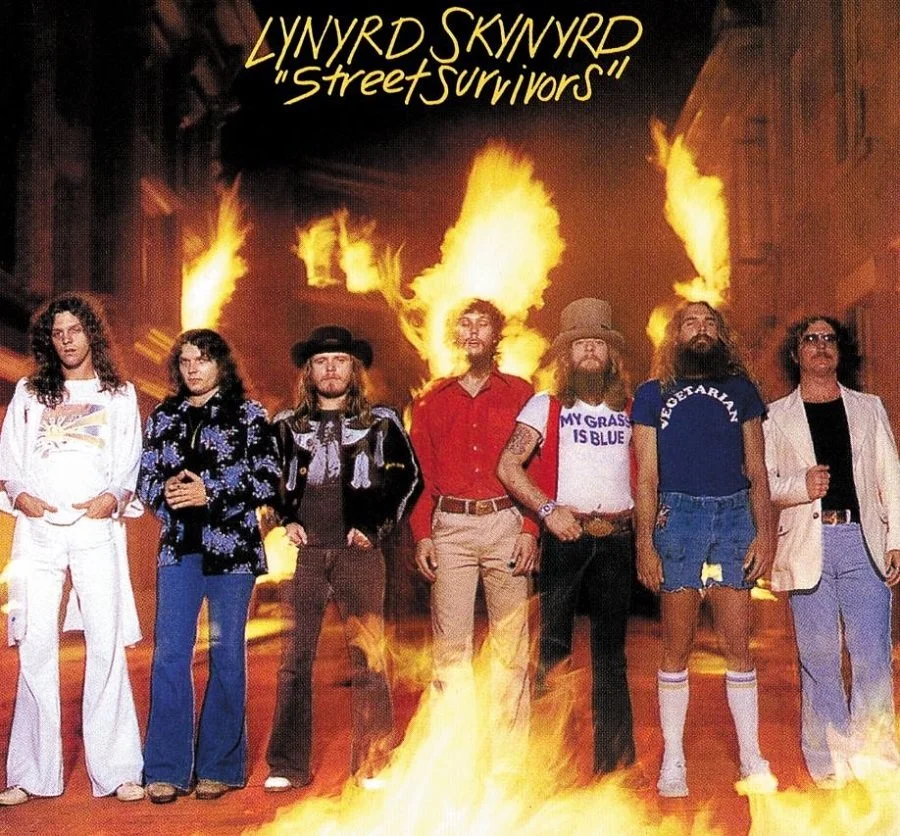
On October 17, 1977, Lynyrd Skynyrd released the album Street Survivors. Three days later, everything changed. On October 20, the band's chartered Convair aircraft was traveling from Greenville, South Carolina, toward Baton Rouge, Louisiana when it ran out of fuel and crashed in wooded terrain near Gillsburg, Mississippi.
Lead singer Ronnie Van Zant was killed. Guitarist Steve Gaines was killed. Backup singer Cassie Gaines was killed. Road manager Dean Kilpatrick and both pilots also died. Other members of the band survived but suffered serious injuries.
Lynyrd Skynyrd had become one of the defining bands of Southern rock.
"Free Bird."
"Sweet Home Alabama."
"Saturday Night Special."
"Gimme Three Steps."
"What's Your Name."
The crash ended the original band's story with horrifying suddenness. The timing made it even more haunting. Street Survivors had been released only three days earlier. Its original album cover featured the band standing amid flames—imagery that became deeply uncomfortable following the crash and was subsequently replaced.
For rock fans, the Skynyrd tragedy came only about two months after the death of Elvis. In the American South in particular, 1977 must have felt brutally cruel. The King of Rock and Roll was gone. Then Ronnie Van Zant was gone.
A Year Full of Goodbyes
The losses did not stop there. Groucho Marx died on August 19, just three days after Elvis. Singer and actor Bing Crosby died on October 14. T. Rex frontman Marc Bolan died in a car accident in September at only 29. Charlie Chaplin died on Christmas Day.
Looking back, 1977 sometimes feels like a cultural dividing line—one generation of entertainment slipping away while something entirely new was arriving. Elvis was leaving the stage. Luke Skywalker was arriving. That contrast almost feels symbolic.
Television in 1977
Television was changing too. The enormously successful miniseries Roots aired on ABC in January 1977 and became one of the most significant television events in American history. For eight consecutive nights, millions of viewers followed Alex Haley's multi-generational story beginning with Kunta Kinte.
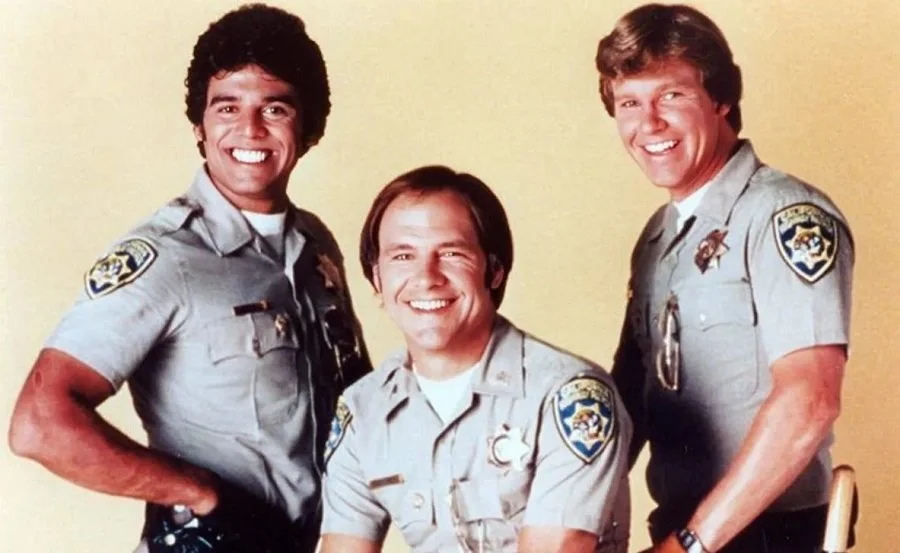
Entertainment television, meanwhile, produced several programs that would become synonymous with the late 1970s and early 1980s. Three's Company premiered in March. CHiPs premiered in September. The Love Boat began its regular series run that fall.
Existing favorites included Happy Days, Laverne & Shirley, MASH*, All in the Family, Charlie's Angels, The Six Million Dollar Man, The Bionic Woman, Little House on the Prairie, The Waltons and Welcome Back, Kotter.
This was still an era when television was largely a shared national experience. There were no streaming services. There was no YouTube. There were no DVRs. Most homes had only a handful of channels. When something became a hit, a remarkable percentage of the country might see it at roughly the same time. That created a kind of common pop-culture language that is much harder to replicate today.
Atari Brings the Arcade Home
Another revolution was beginning quietly in American living rooms.
In 1977, Atari released the Video Computer System—the machine later known as the Atari 2600. Atari says the original system launched with nine games and sold close to 400,000 units during its first year, selling out its initial production run during the holiday season.
It wasn't the first home video-game system. But its interchangeable cartridges helped establish a model that would define home console gaming for decades. Soon children weren't limited to playing electronic games in arcades or pizza parlors. The arcade could come home.
Within a few years, names such as Space Invaders, Asteroids, Adventure, Pitfall! and Pac-Man would become part of childhood. So while Star Wars was changing movies and toys, Atari was quietly helping construct another enormous part of modern pop culture.
Again—1977.
The Look and Feel of 1977
Pop culture isn't only movies, records and television shows. Sometimes a year is remembered by how it looked. And 1977 definitely had a look. Shag carpet. Wood-paneled walls. Earth tones. Orange, brown, gold and avocado green. Bell bottoms. Wide collars. Leisure suits. Tube socks. Feathered hair. CB radios. Eight-track tapes. Vinyl records. Polaroid cameras. Console televisions that looked like furniture. Huge stereos. Rotary phones attached to the wall. Kids rode bicycles until the streetlights came on. You couldn't text anyone. You couldn't Google anything.
If you wanted to know what was coming for Christmas, you waited for the Christmas catalogs. If you wanted a record, you went to a record store. If you missed a television program, there was a very good chance you simply missed it. And if the hottest movie in America didn't have action figures ready by Christmas? Apparently, you bought a cardboard certificate and waited until next year.
Maybe That's Why 1977 Still Feels Special
There is an interesting tension running through the pop culture of 1977. The old world was still very much alive. Elvis Presley was still touring when the year began. Bing Crosby was still alive. Charlie Chaplin was still alive. Network television still dominated American homes. Vinyl records and AM/FM radio-controlled music discovery. Children circled toys in paper catalogs. And yet pieces of the future were appearing everywhere.
Star Wars pointed toward franchise filmmaking, blockbuster cinema and massive entertainment merchandising. Atari pointed toward interactive home entertainment. Saturday Night Fever demonstrated how closely movies, music, fashion and celebrity could merge into one giant cultural phenomenon. Punk challenged the bloated excesses of mainstream rock. Steven Spielberg and George Lucas were helping define the next generation of Hollywood. Within a few years, entertainment would look very different.
Maybe that is what makes 1977 so fascinating.
It feels simultaneously old-fashioned and modern.
1977: One Remarkable Year
Imagine living through it from beginning to end. In January, America was watching Roots. By spring, Fleetwood Mac's Rumours was everywhere. On May 25, audiences began discovering Star Wars. Two days later, Smokey and the Bandit arrived. During the summer, children became obsessed with Luke Skywalker and Darth Vader. Then came August 16. Elvis Presley was dead. In October, Lynyrd Skynyrd's plane went down. In November, audiences looked toward the heavens again with Close Encounters of the Third Kind.
At Christmas, children opened Star Wars Early Bird packages containing promises for action figures that hadn't been manufactured in time. And just as the year was ending, John Travolta was strutting across an illuminated dance floor while the Bee Gees provided the soundtrack. Rock and roll royalty had died. Southern rock had suffered one of its darkest days. Disco was exploding. Punk was rising. Video games were entering the home. And somewhere in a galaxy far, far away, a farm boy named Luke Skywalker had changed popular culture forever.
That was 1977.
Not merely another year. A dividing line. A moment when one era was disappearing and another was being born right in front of us. And nearly fifty years later, we're still watching the movies, playing the records, collecting the toys and talking about the year when the Force first came into our lives.
← 1976 (coming soon) | Explore 1977 | 1978 (coming soon) →

If you found this article interesting, please consider becoming a Patreon supporter. That is how When It Was Cool keeps our website and podcasts online, plus you get lots of bonus content including extra podcasts, articles, ebooks, and much more. Check out our Patreon Page to see what's up!