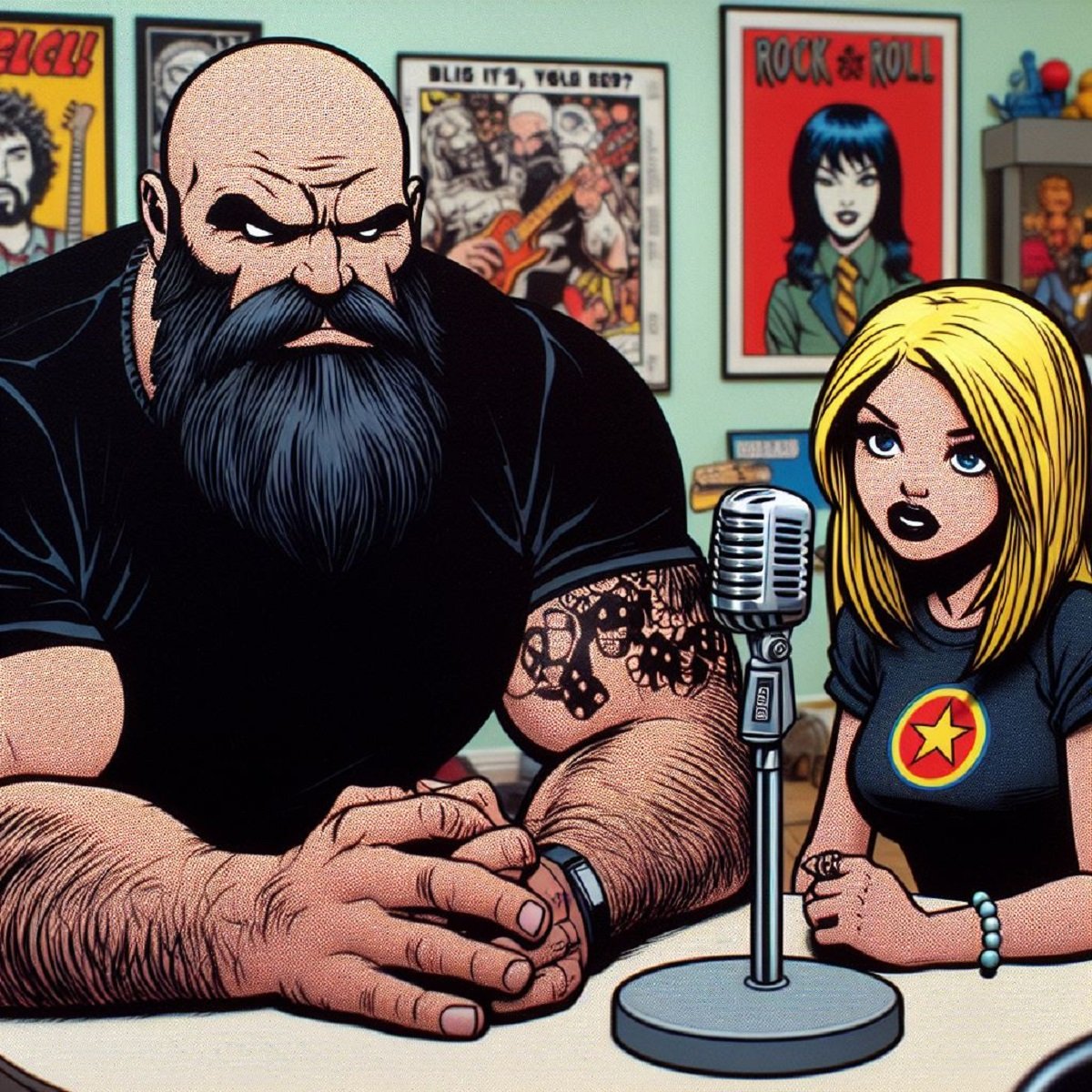


By: “DragonKingKarl” Karl Stern (Patreon)
Professional Wrestling Historian: Author of DragonKingKarl's Pioneer Era Pro Wrestling Omnibus

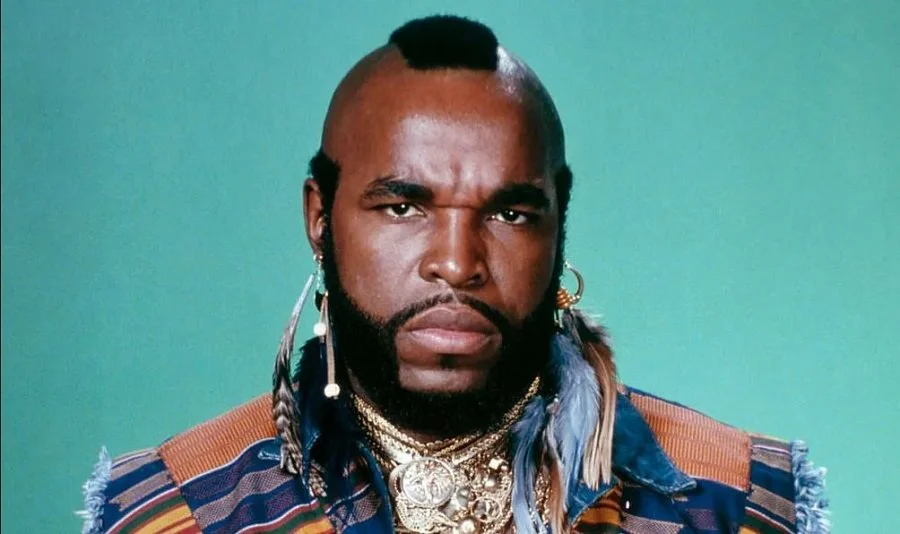
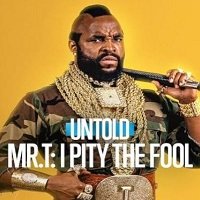
Netflix’s Untold: Mr. T – I Pity the Fool Reveals the Man Behind an ’80s Icon
For an entire generation, Mr. T is instantly recognizable. The mohawk. The gold chains. Clubber Lang in Rocky III. B.A. Baracus on The A-Team. His unforgettable involvement in the original WrestleMania. And, of course, the phrase that followed him throughout his career: “I pity the fool.”
Netflix’s new documentary Untold Mr. T: I Pity the Fool, however, makes a convincing case that the most interesting thing about Mr. T was never the character.
It was the man who created him.
Born Laurence Tureaud and raised in a large family on Chicago’s South Side, Mr. T developed remarkably strong ideas about respect, responsibility, family, and personal dignity at an early age. Much of that foundation came from his mother, Willie, whose influence is felt throughout his story.
The bond between Mr. T and his mother is perhaps the most touching aspect of the documentary. His desire to protect her and provide for his family wasn't simply part of the Mr. T mythology—it helped shape the person he became. Even after achieving extraordinary fame, his measure of success remained surprisingly personal: he wanted to take care of his mother and give her a better life.
That loyalty also contributed to the moral code Mr. T developed for himself.
His code could sometimes be uncompromising, particularly as a young man. He believed strongly in standing up for himself, protecting his family, refusing to be intimidated, and demanding the dignity he believed every person deserved. Yet, as he matured, those beliefs increasingly became intertwined with his Christian faith and his conviction that strength did not require hatred.
That distinction is important.
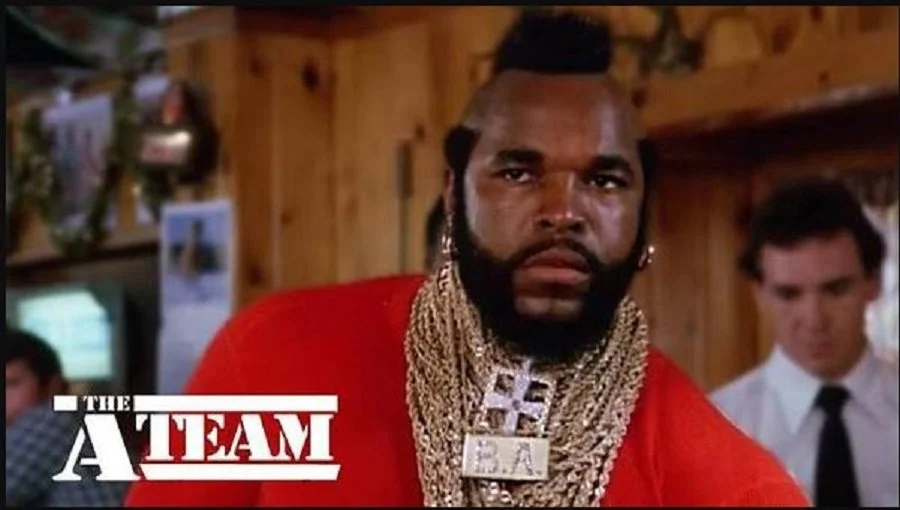
Mr. T certainly cultivated one of the toughest personas in popular culture, but beneath it was a man who repeatedly encouraged children to stay away from drugs, respect their parents, believe in themselves, and make something positive of their lives. The toughness got people's attention; the message underneath it was often surprisingly wholesome.
His journey eventually took him from working as a bouncer and bodyguard to Rocky III, The A-Team, professional wrestling, cartoons, cereal boxes, action figures, and virtually every other corner of 1980s popular culture.
Yet I Pity the Fool is at its best when it moves beyond those familiar images.
What emerges is a portrait of someone who decided long ago what he believed a man should stand for—and, decades later, still seems remarkably committed to those principles.
Mr. T may have become famous for playing tough guys, wearing gold chains, and threatening fools. But the Netflix documentary reminds us that his greatest strength may have been something much less theatrical: knowing who he was, remembering where he came from, loving his mother, standing up for his family, and refusing to allow fame to completely redefine him.
For longtime fans of 1980s pop culture, Untold Mr. T: I Pity the Fool is an easy recommendation. It is nostalgic, entertaining, occasionally surprising, and ultimately quite uplifting.
And after watching it, you may come away with considerably more respect for the man behind Mr. T.
Want to hear more? When It Was Cool Patreon supporters can also listen to our exclusive podcast review of Untold Mr. T: I Pity the Fool, where we take a deeper look at the documentary, Mr. T’s remarkable career, and the larger-than-life personality who became one of the most unforgettable icons of the 1980s.
Untold Mr. T: I Pity the Fool is now streaming on Netflix.

If you found this article interesting, please consider becoming a Patreon supporter. That is how When It Was Cool keeps our website and podcasts online, plus you get lots of bonus content including extra podcasts, articles, ebooks, and much more. Check out our Patreon Page to see what's up!